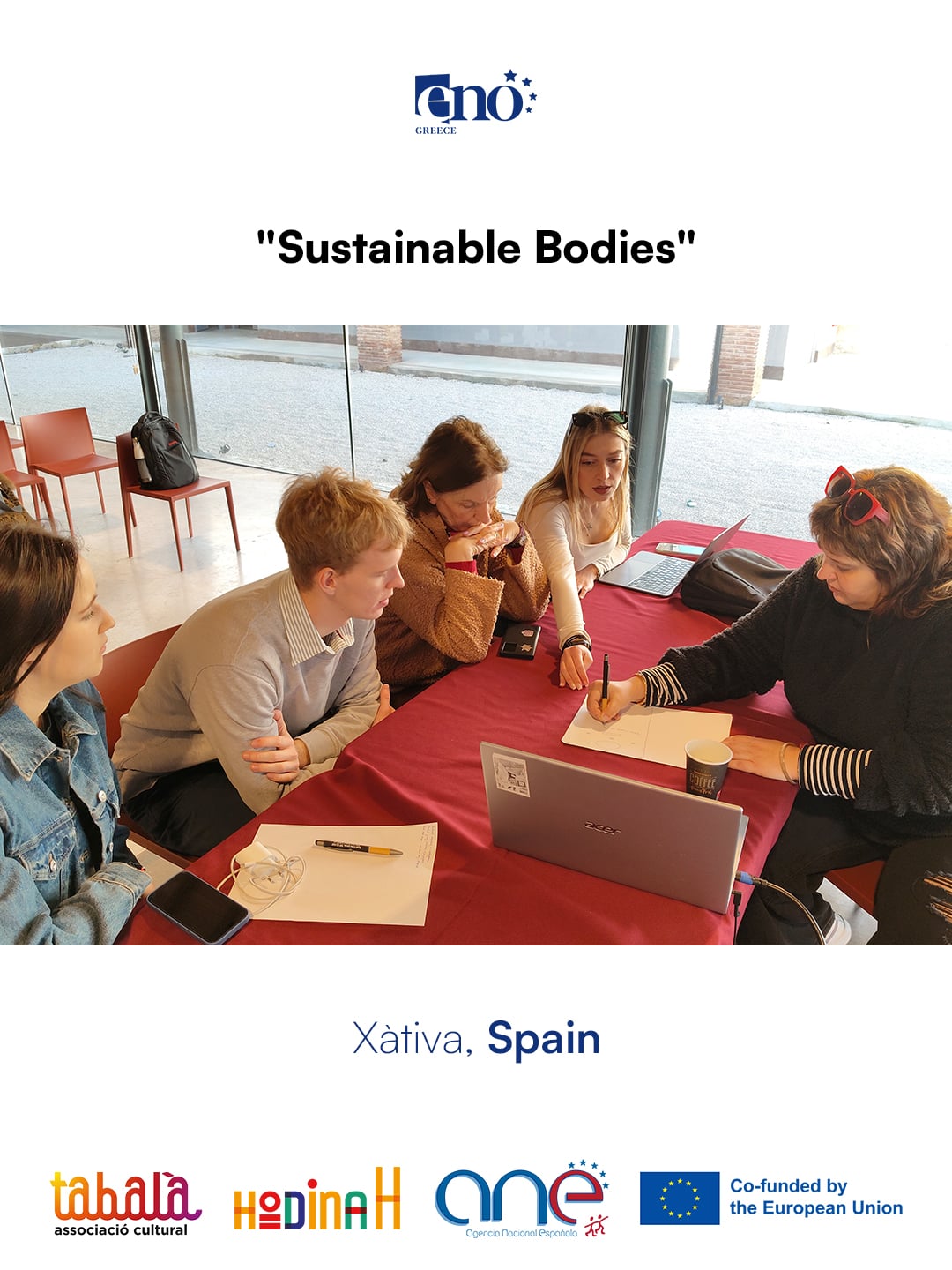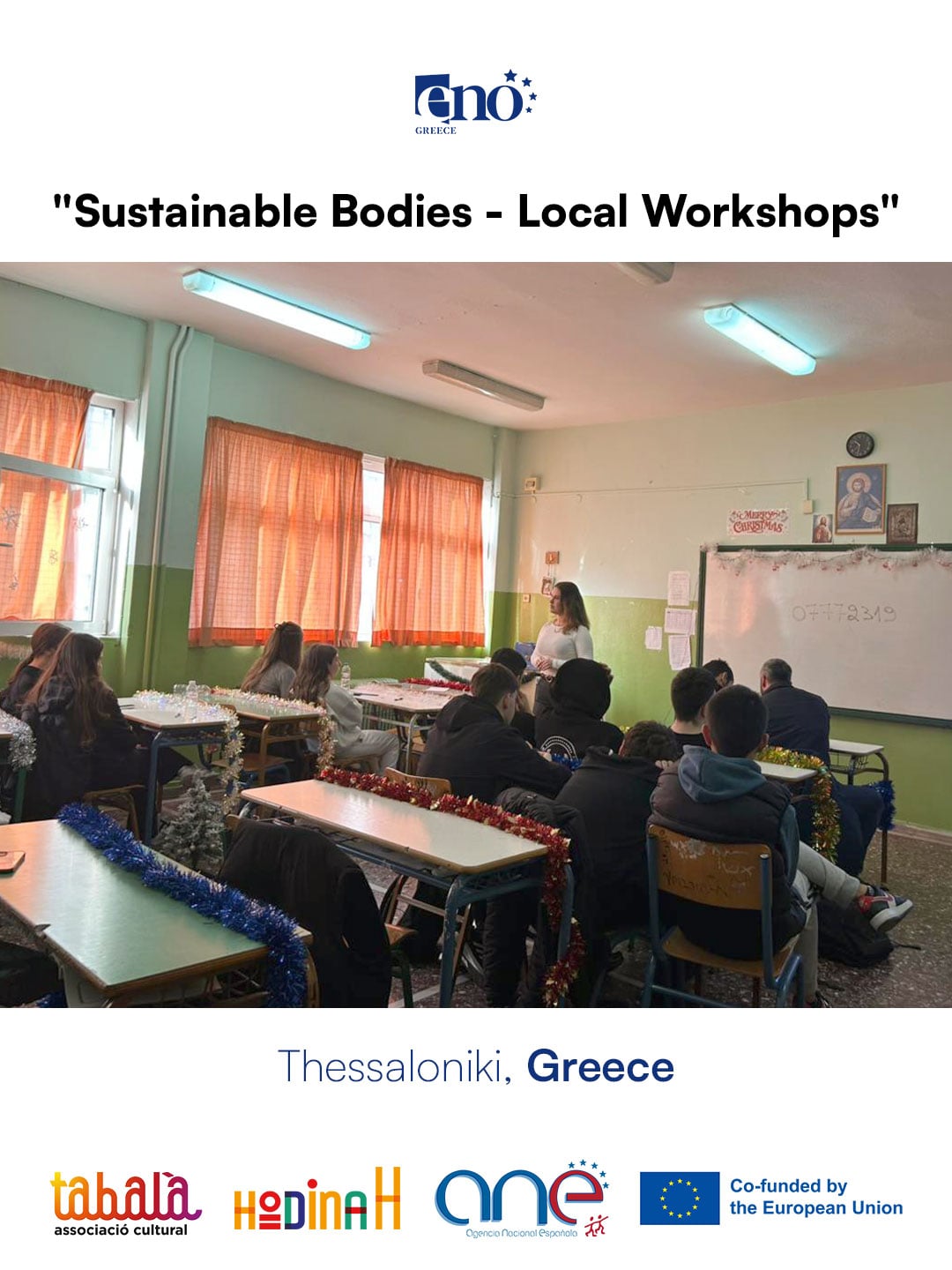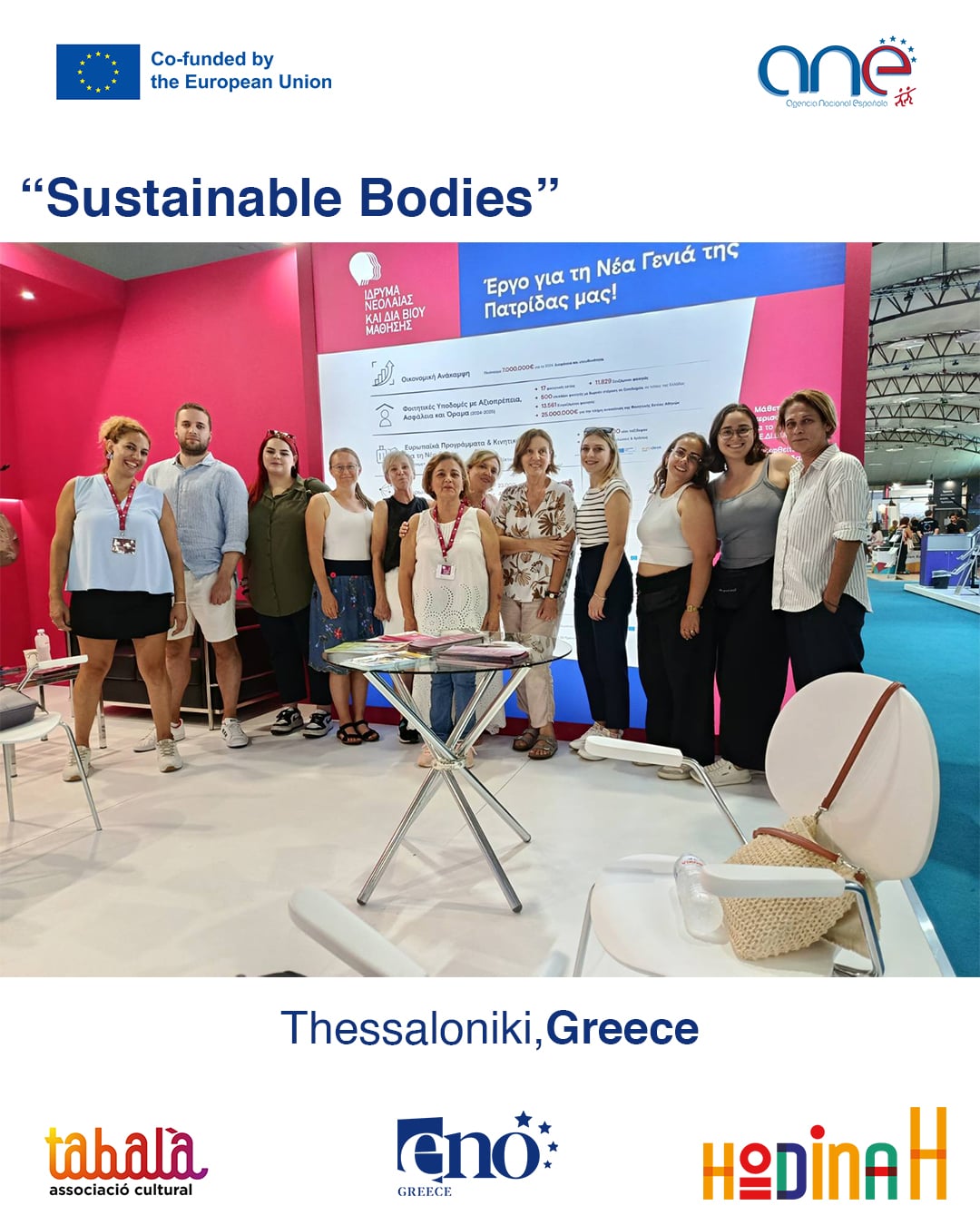
The Erasmus+ project “Sustainable Bodies” (Reference: 2024-1-ES02-KA210-YOU-000250352) was implemented from 01 September 2024 to 28 February 2026, within the framework of Small-scale partnerships in youth.
The project aimed to challenge and transform perceptions around teenage intimate hygiene, promoting sustainable, gender-inclusive, and environmentally conscious practices. By addressing taboos and misinformation, the partnership worked towards empowering young people to make informed, responsible, and sustainable choices.
 What we achieved:
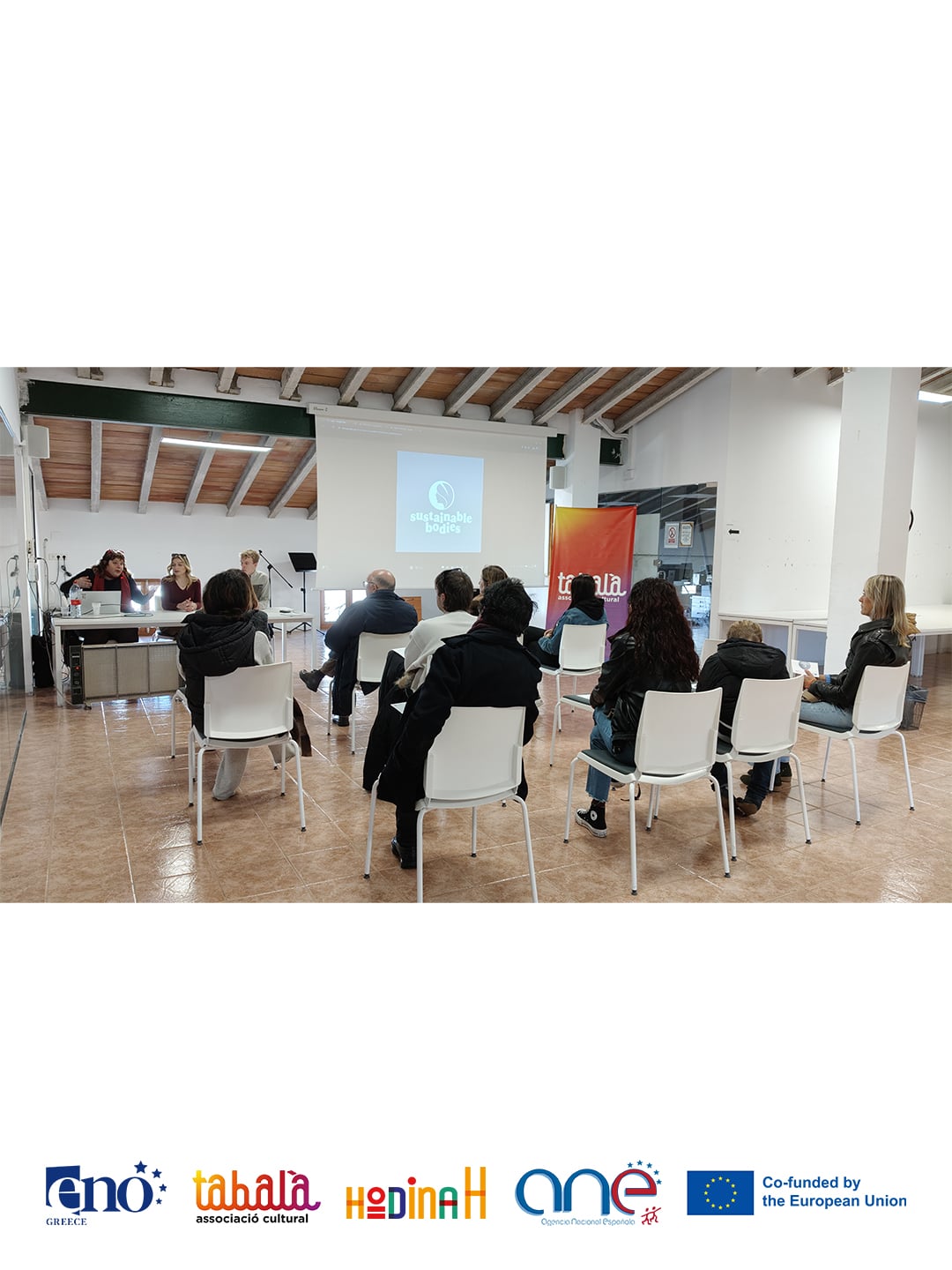
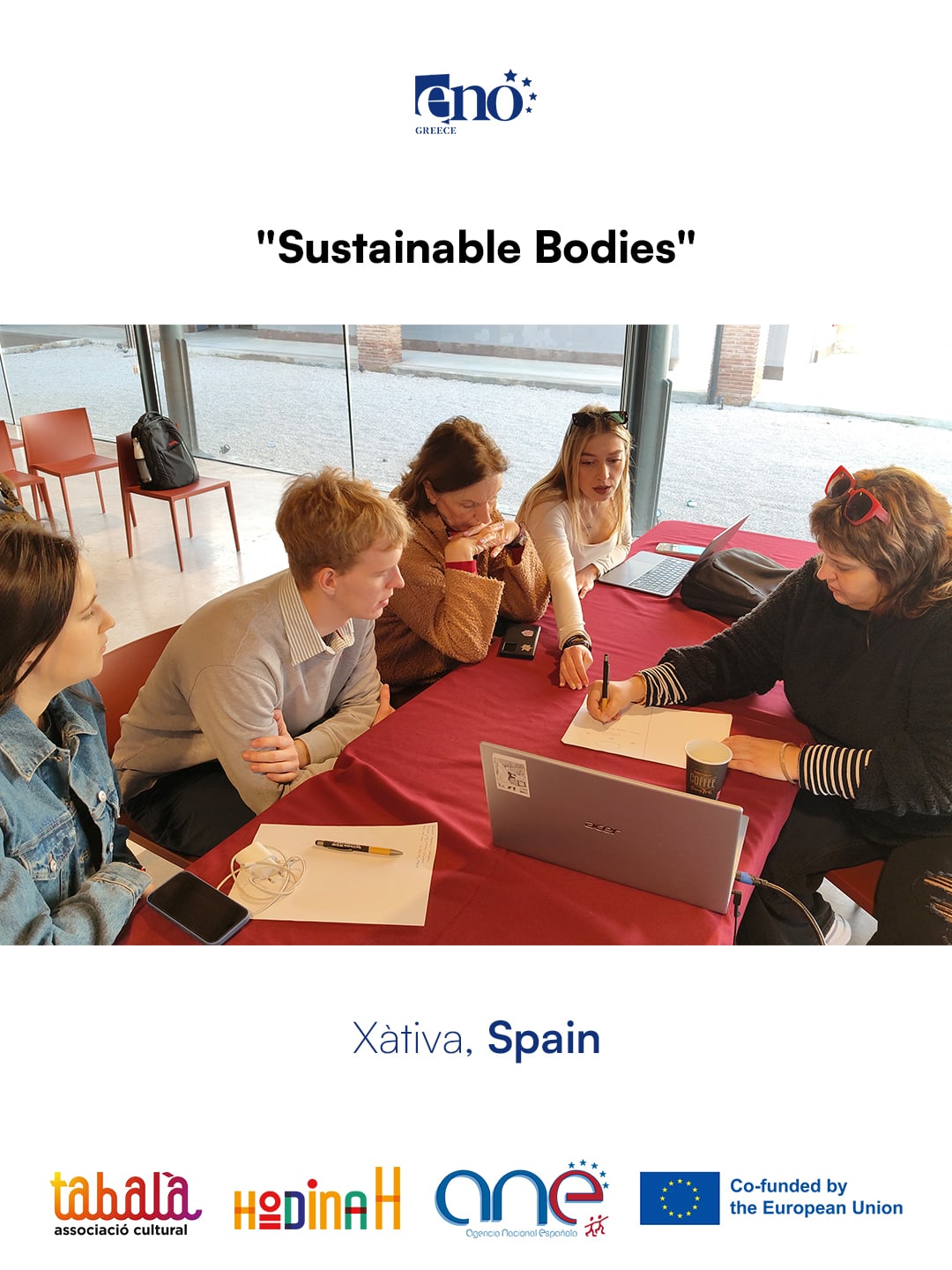
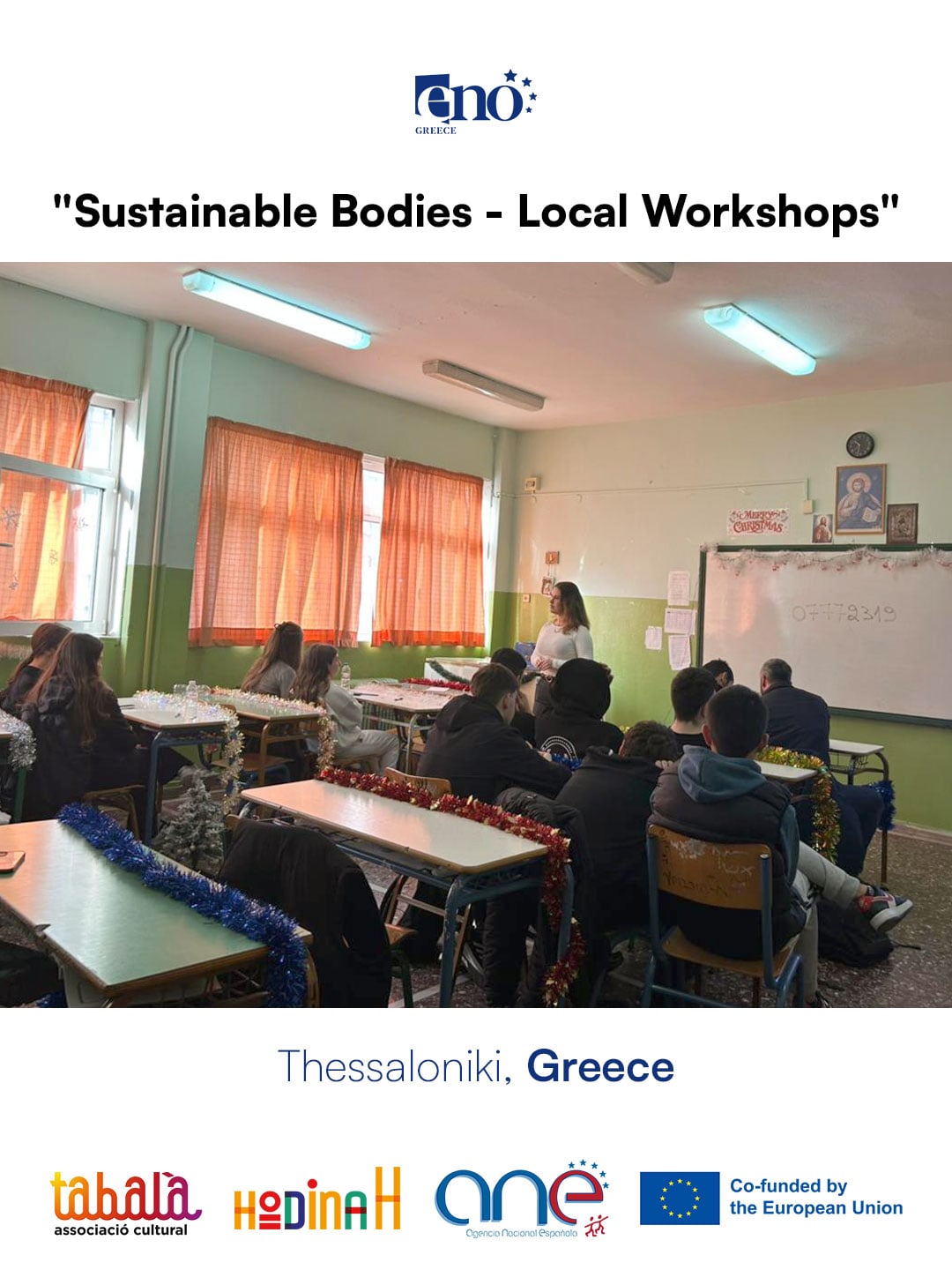
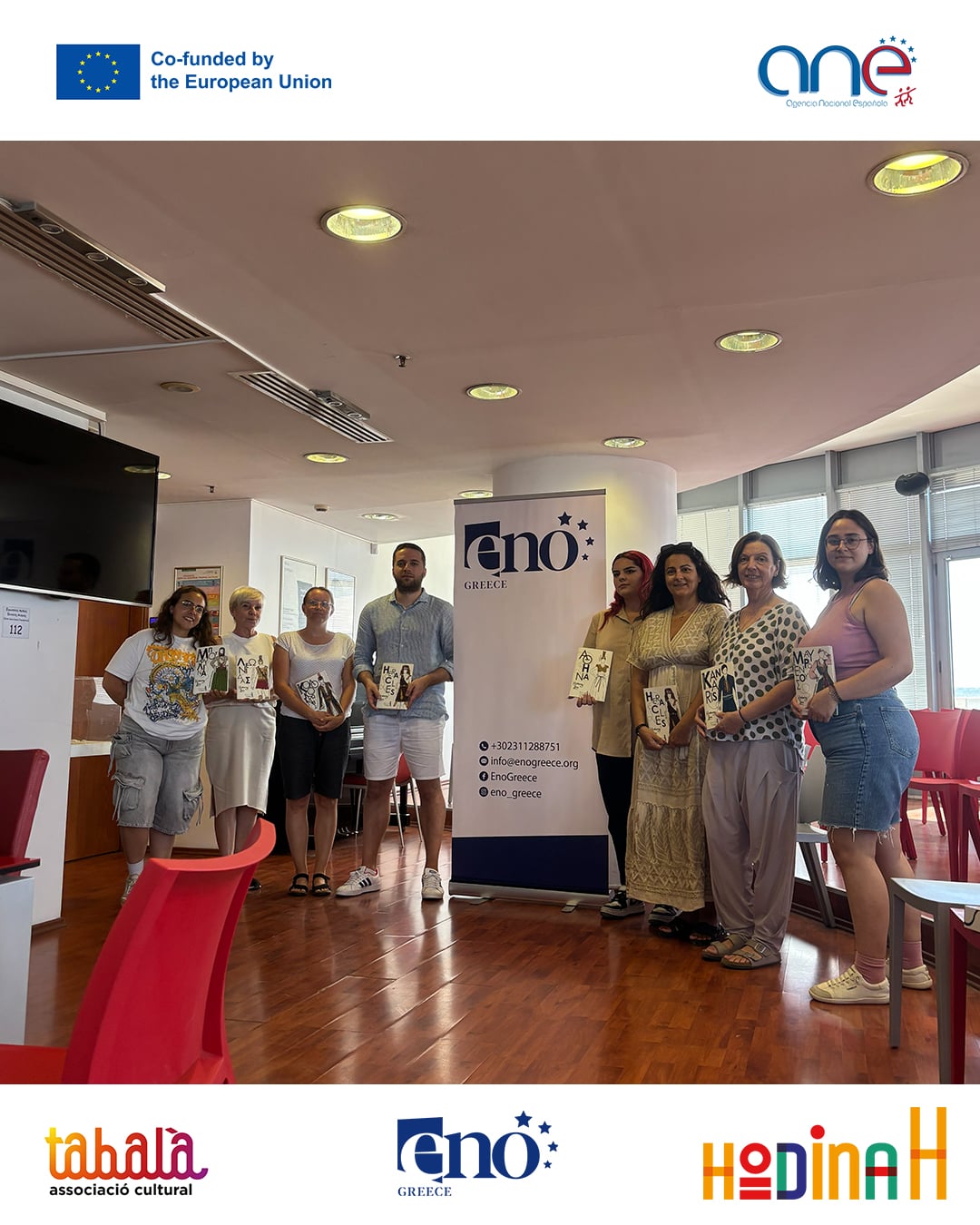
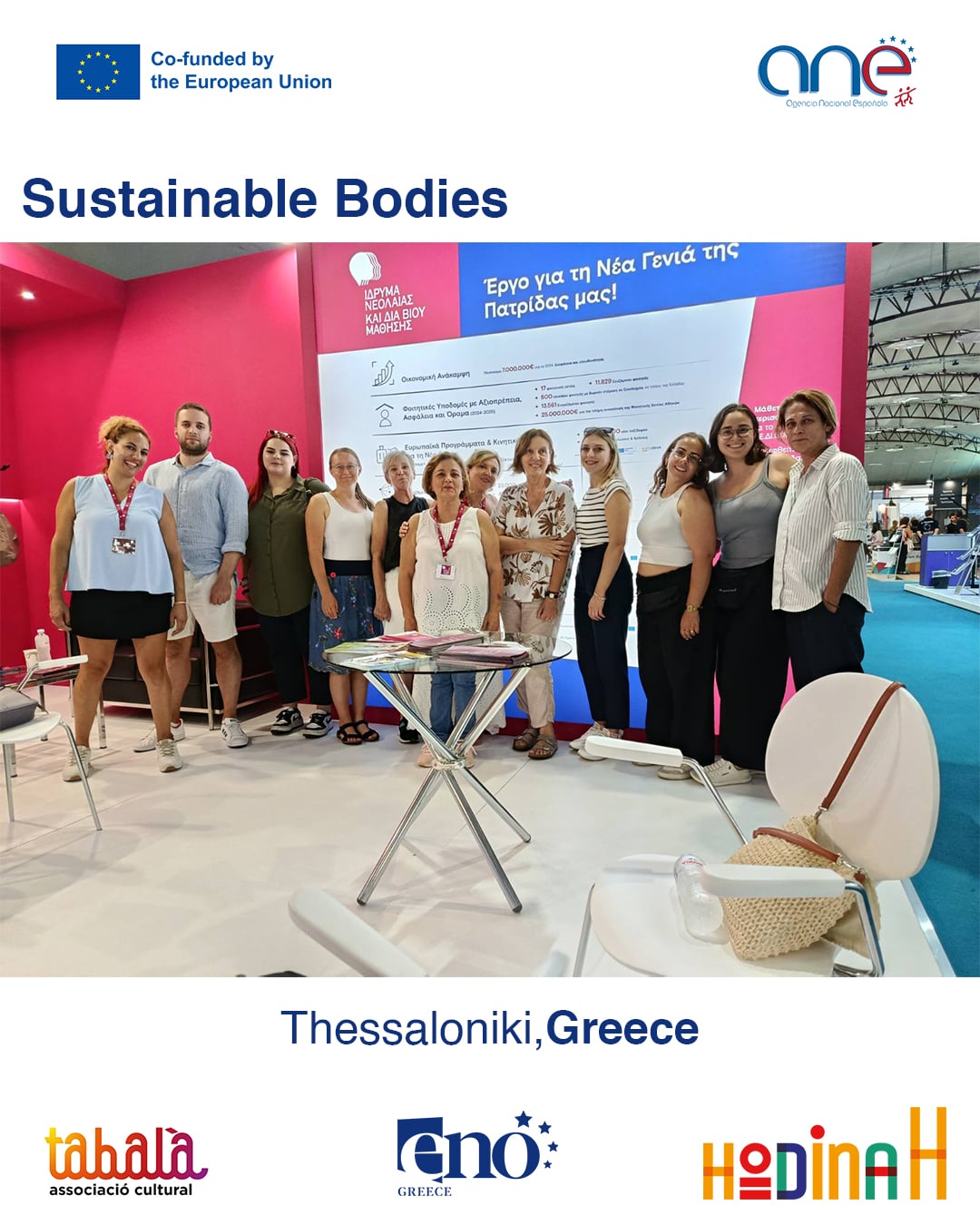
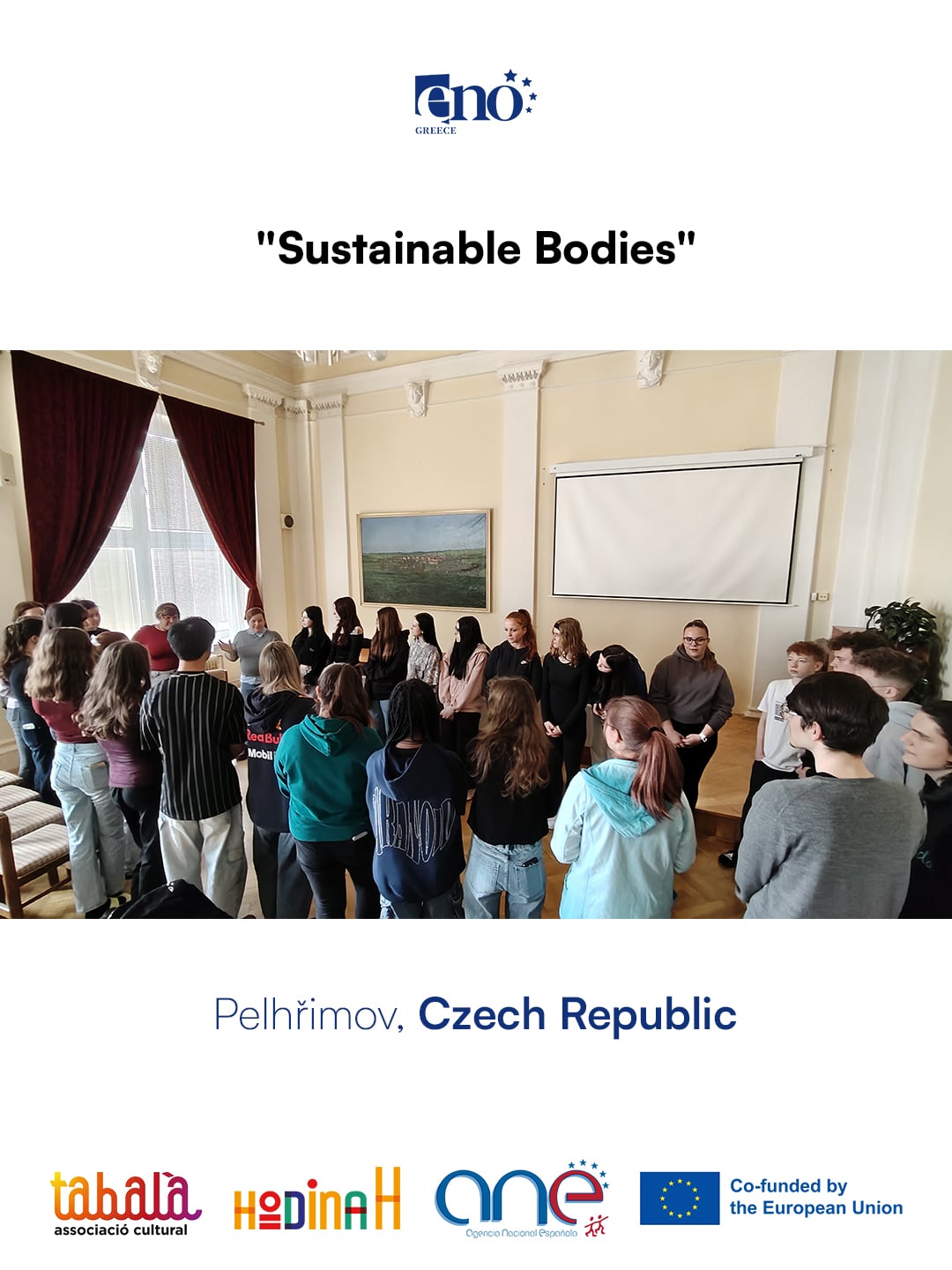
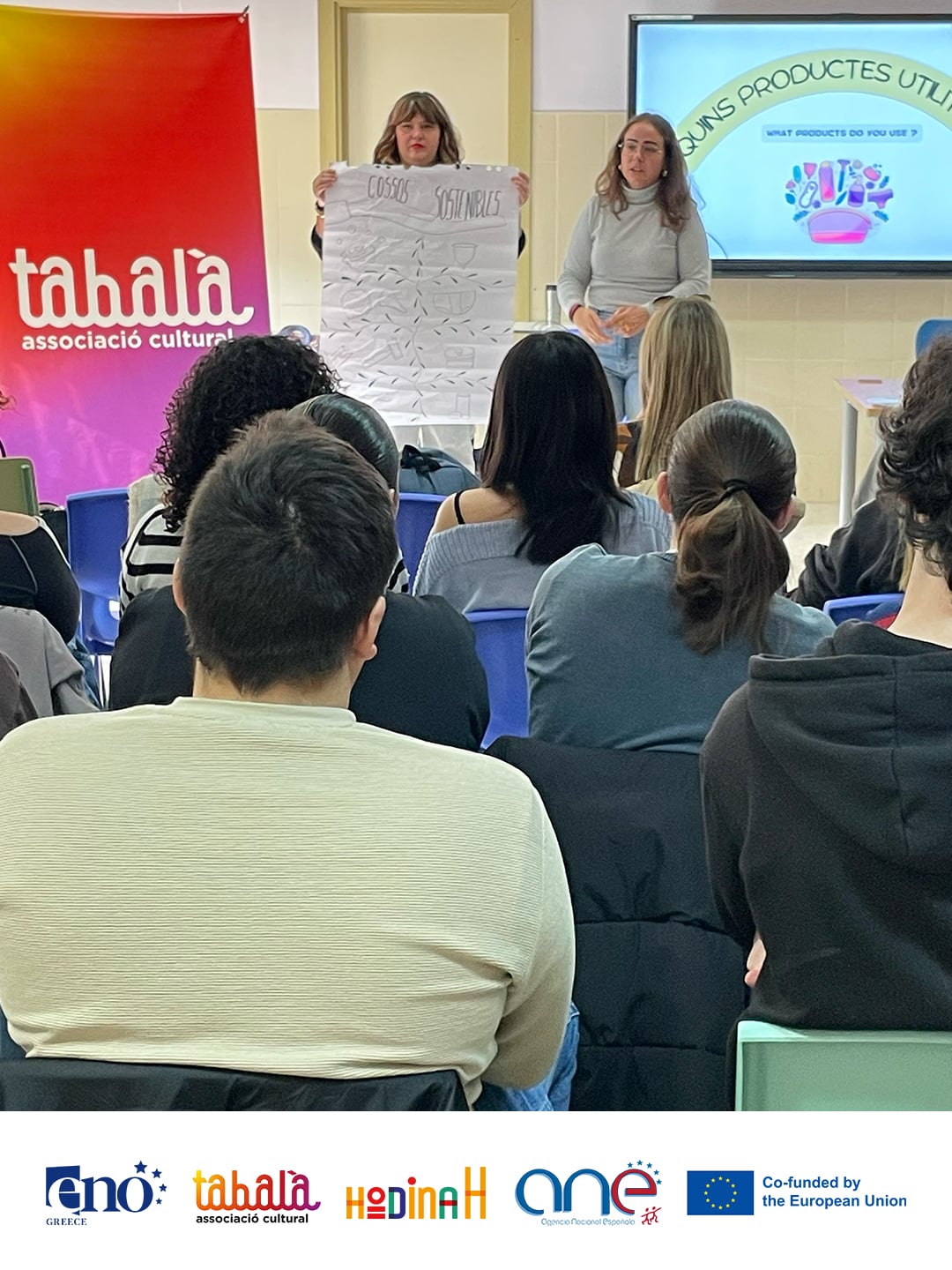
Throughout the project, partners from Spain, Greece, and the Czech Republic collaborated to: -develop interactive educational materials design and implement local workshops -conduct pre- and post-workshop surveys to measure impact -engage young people, educators, and local communities -promote awareness through dissemination activities and multimedia content
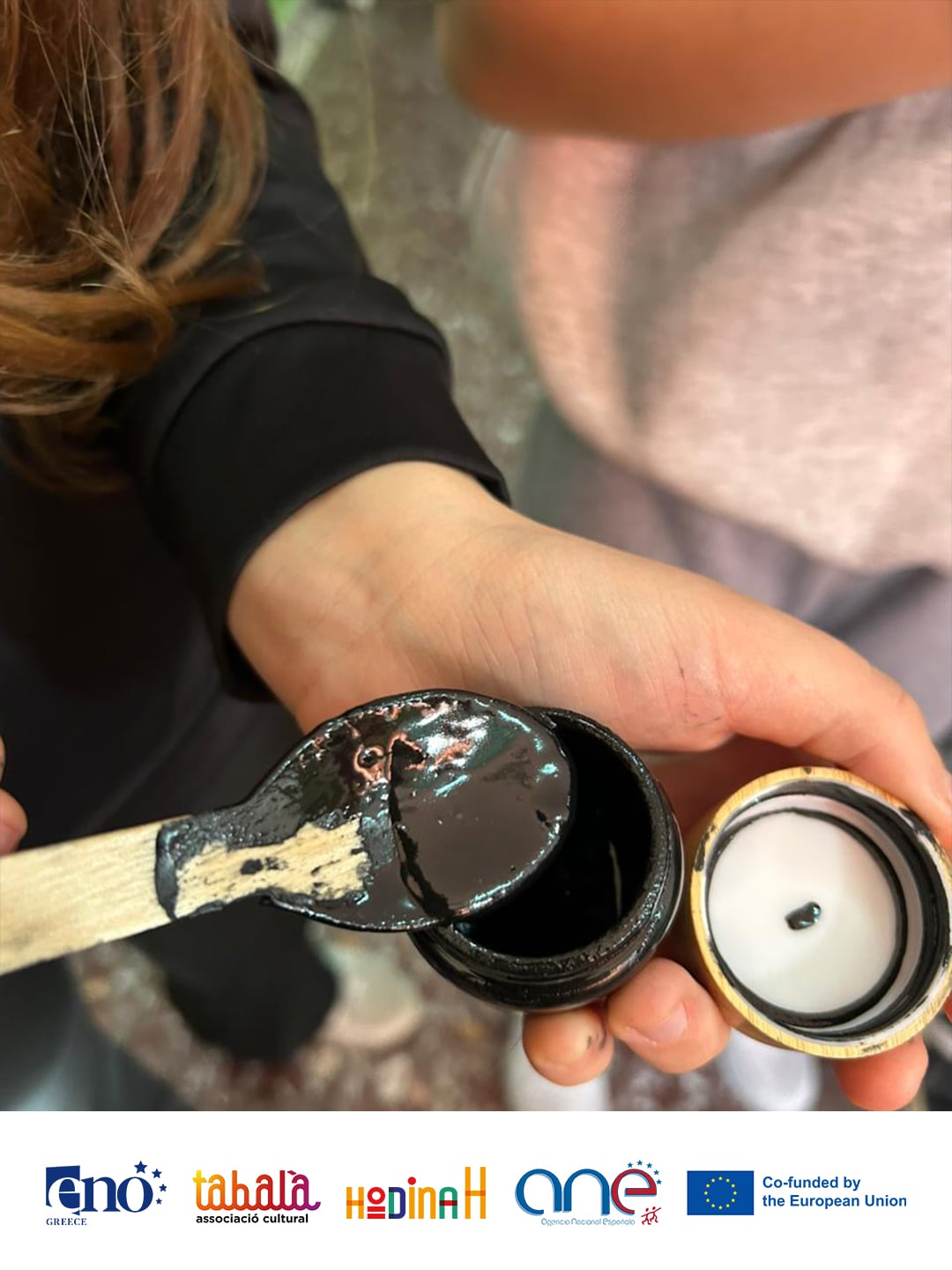
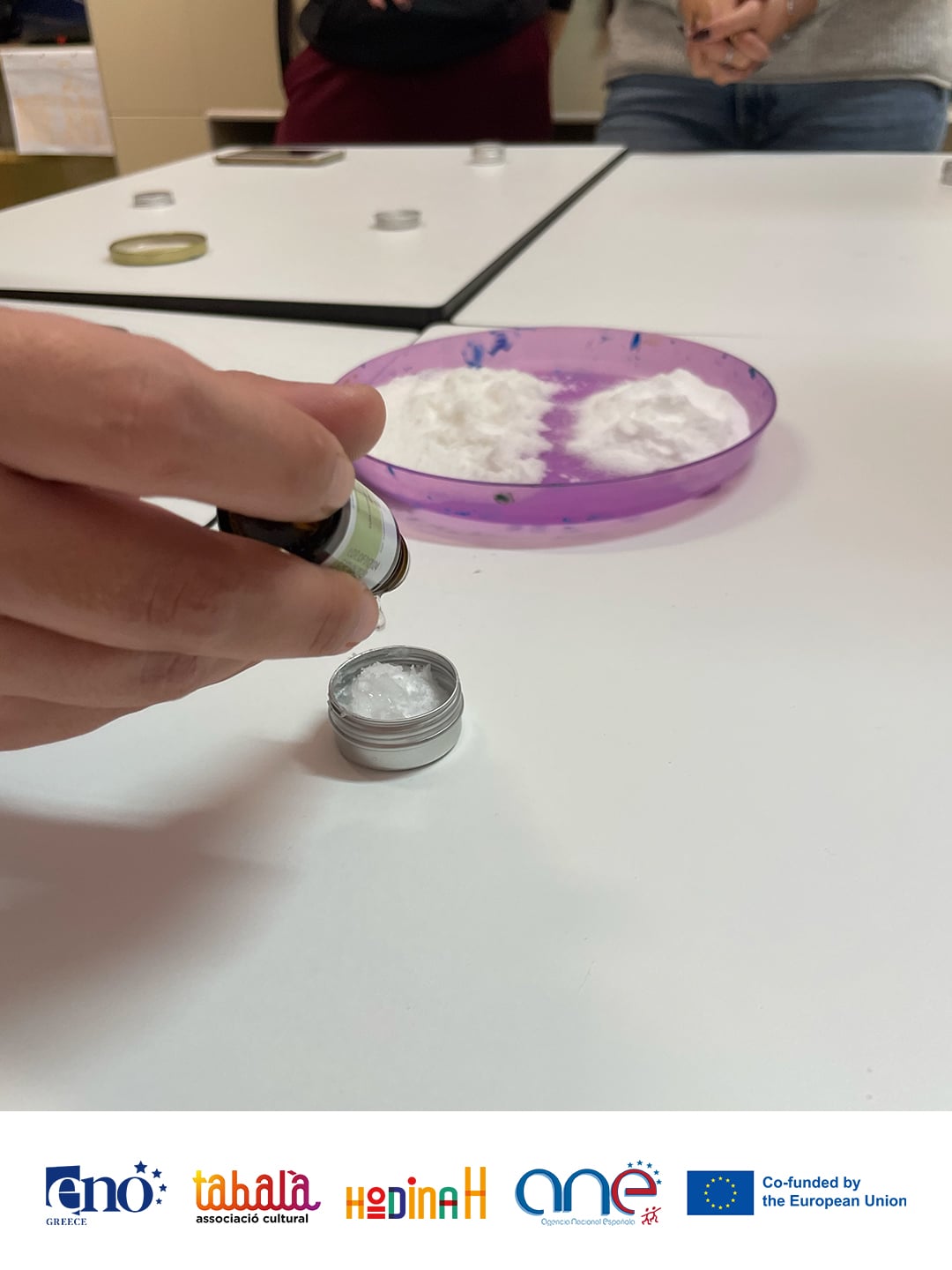
The workshops combined non-formal education methods, including quizzes, discussions, myth-debunking activities, and hands-on experiences. As outlined in the workshop methodology, activities such as the Kahoot quiz, “Myths & Realities” game, and DIY product creation were key tools in engaging participants and fostering critical thinking
 Key Results & Impact:
The project contributed to: -increasing awareness of sustainable personal and intimate hygiene -reducing stigma and encouraging open dialogue -promoting the use of reusable and eco-friendly products -strengthening understanding of ethical, vegan, and non-toxic alternatives
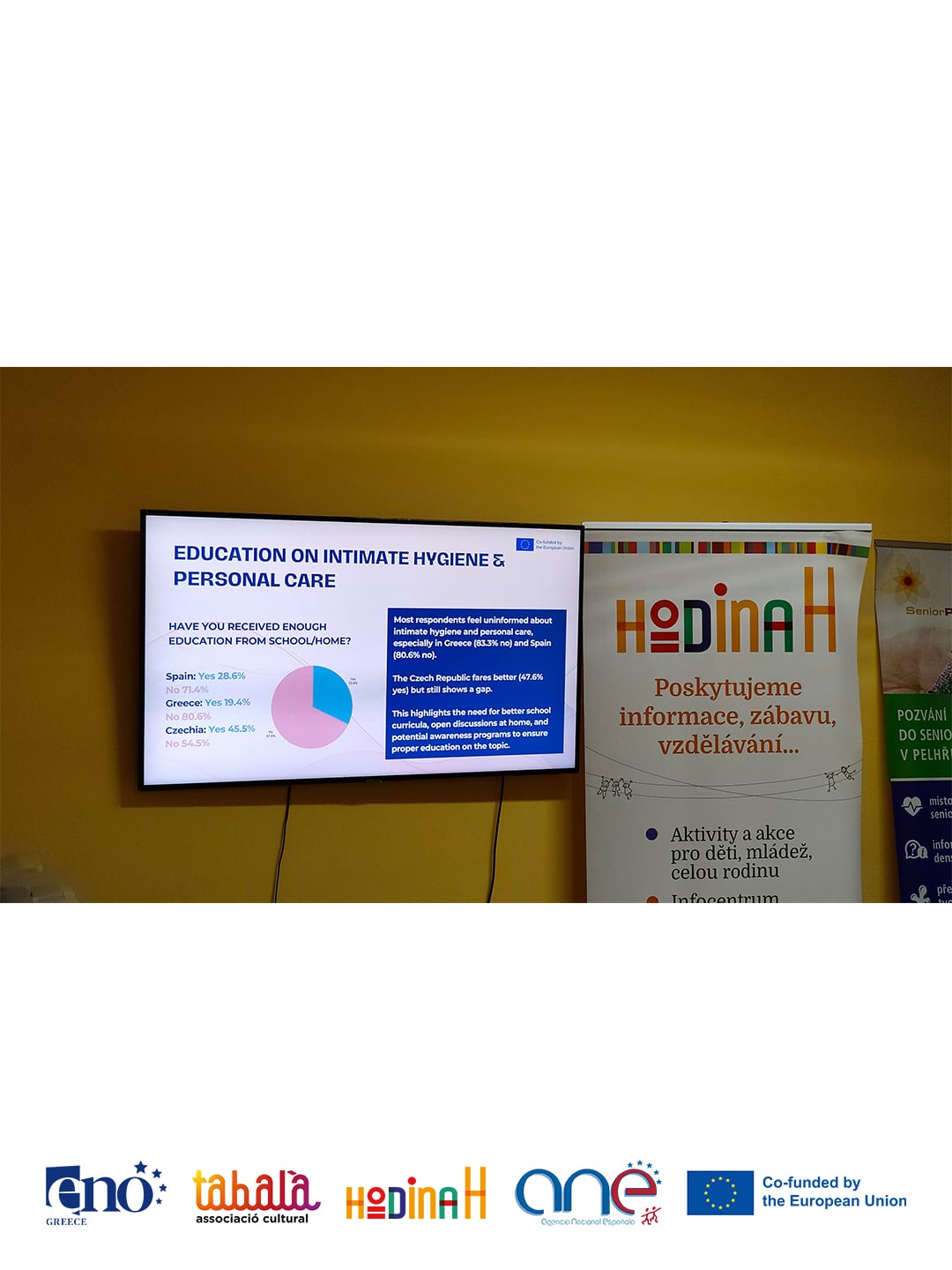
The educational materials also highlighted important criteria for conscious consumption, such as: -reusable products -natural ingredients -cruelty-free and ethical production -environmentally friendly practices Survey results confirmed the need for more accessible and inclusive education on these topics, while also demonstrating positive changes in participants’ awareness and attitudes.
 Project Materials & How to Use Them All project materials are now available for educators, youth workers, and organisations interested in implementing similar workshops.
These include:
 Workshop implementation guide (step-by-step methodology)
 Educational presentations and visual materials
 Pre- and post-workshop survey tools
 DIY activity instructions (e.g. natural toothpaste)
 [Sustainable Bodies – Materials]
The workshop guide provides detailed instructions on how to structure activities, including timing, facilitation methods, and discussion topics. For example, the methodology includes interactive exercises such as myth-debunking activities and product demonstrations, as well as practical guidance on sustainable hygiene practices.
 As recommended in the project materials, organisations implementing the workshops are encouraged to: -use both pre- and post-surveys -compare results across contexts -share their findings with the coordinating organisation This approach ensures continued learning, evaluation, and improvement of the methodology.
 Acknowledgements This project was co-funded by the Erasmus+ Programme of the European Union, whose support made this collaboration and its impact possible. We would also like to thank all partners, participants, educators, and young people who contributed to the successful implementation of the project.
 Looking Ahead “Sustainable Bodies” leaves behind a set of practical tools and a strong foundation for future initiatives. By continuing to share knowledge and promote sustainable practices, we can contribute to building a generation that is informed, confident, and environmentally conscious.
https://drive.google.com/drive/folders/1I5gX0snGWK1LgUvSxgWQdCRdsJGV1-Wa?usp=sharing