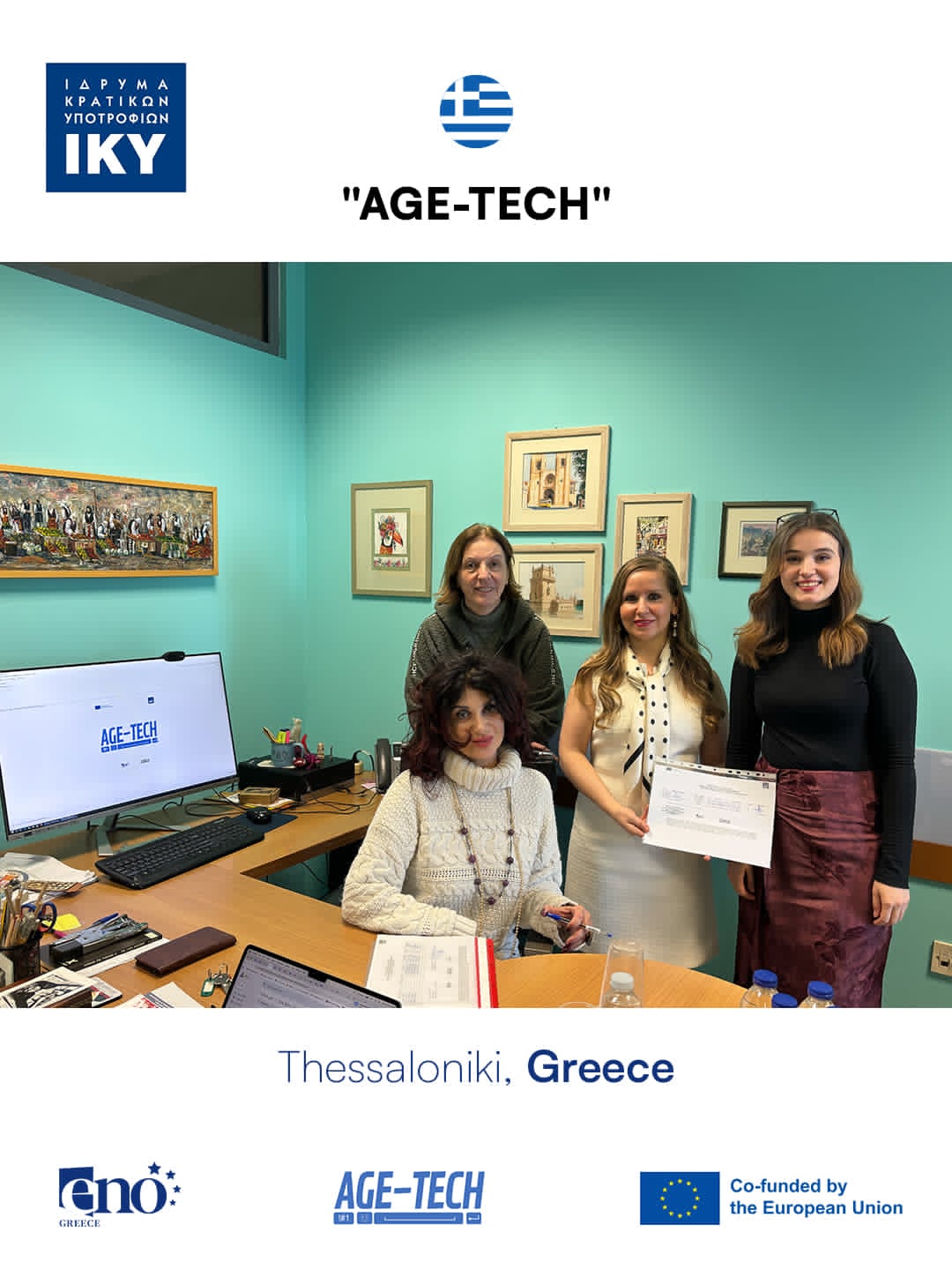
The AGE-TECH project has successfully come to an end, marking the completion of a meaningful journey towards digital inclusion, active ageing, and lifelong learning.
Implemented under the Erasmus+ programme, the project brought together organisations from Greece and Türkiye with a shared goal:
to support older adults in navigating the digital world with confidence and autonomy.
In a time where digital tools shape everyday life, many elderly people — especially those outside urban centres — still face barriers in accessing and using technology. AGE-TECH was designed to respond to this challenge in a practical and human-centred way.
Throughout the project, partners collaborated to:
-Identify the needs of elderly learners in digital education
-Exchange good practices in adult learning methodologies
-Train educators through a dedicated Train-the-Trainer approach
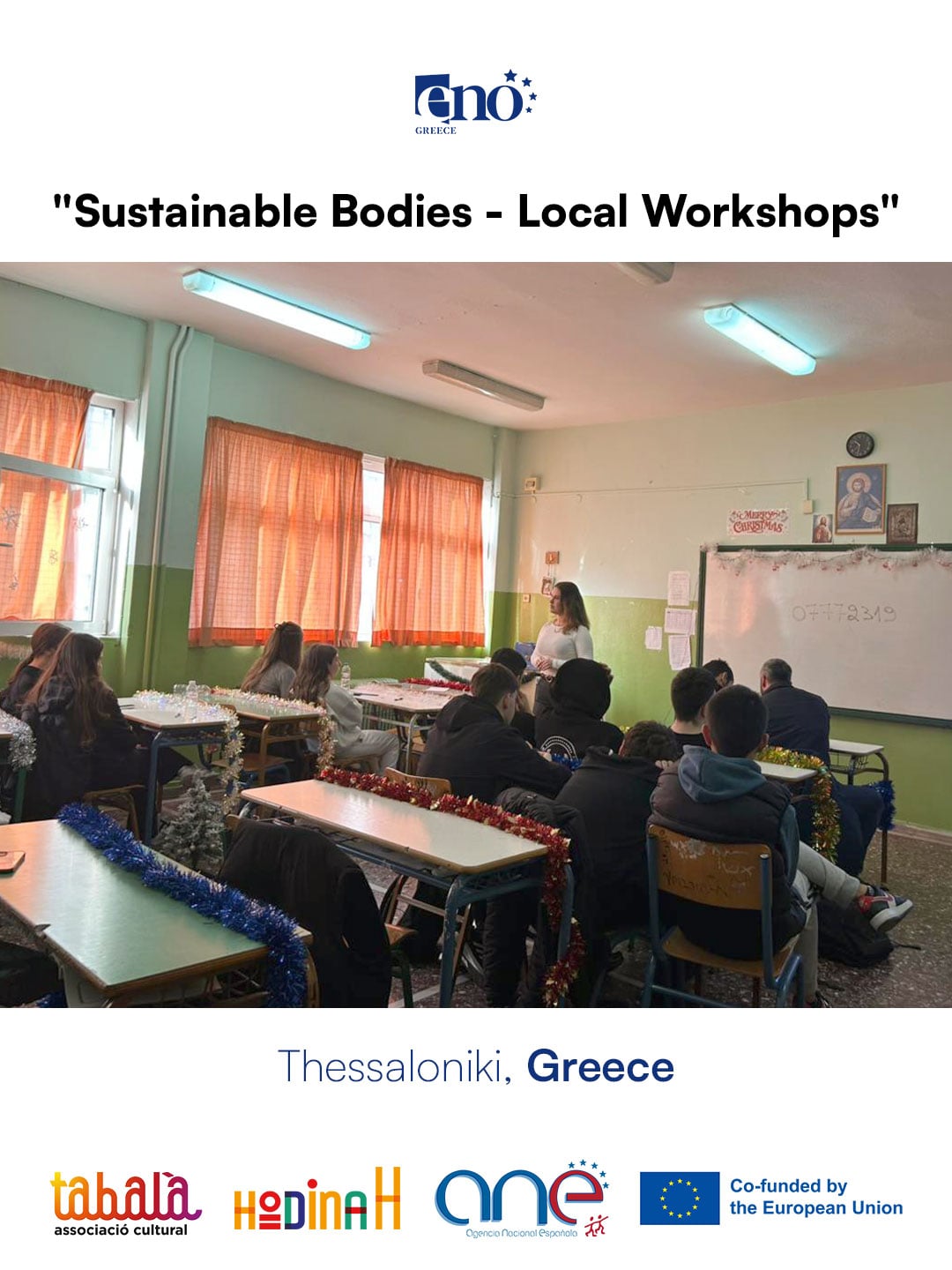
-Organise workshops with elderly participants
-Create inclusive and accessible learning environments
These activities aimed not only to build digital competences, but also to strengthen confidence, independence and social participation.
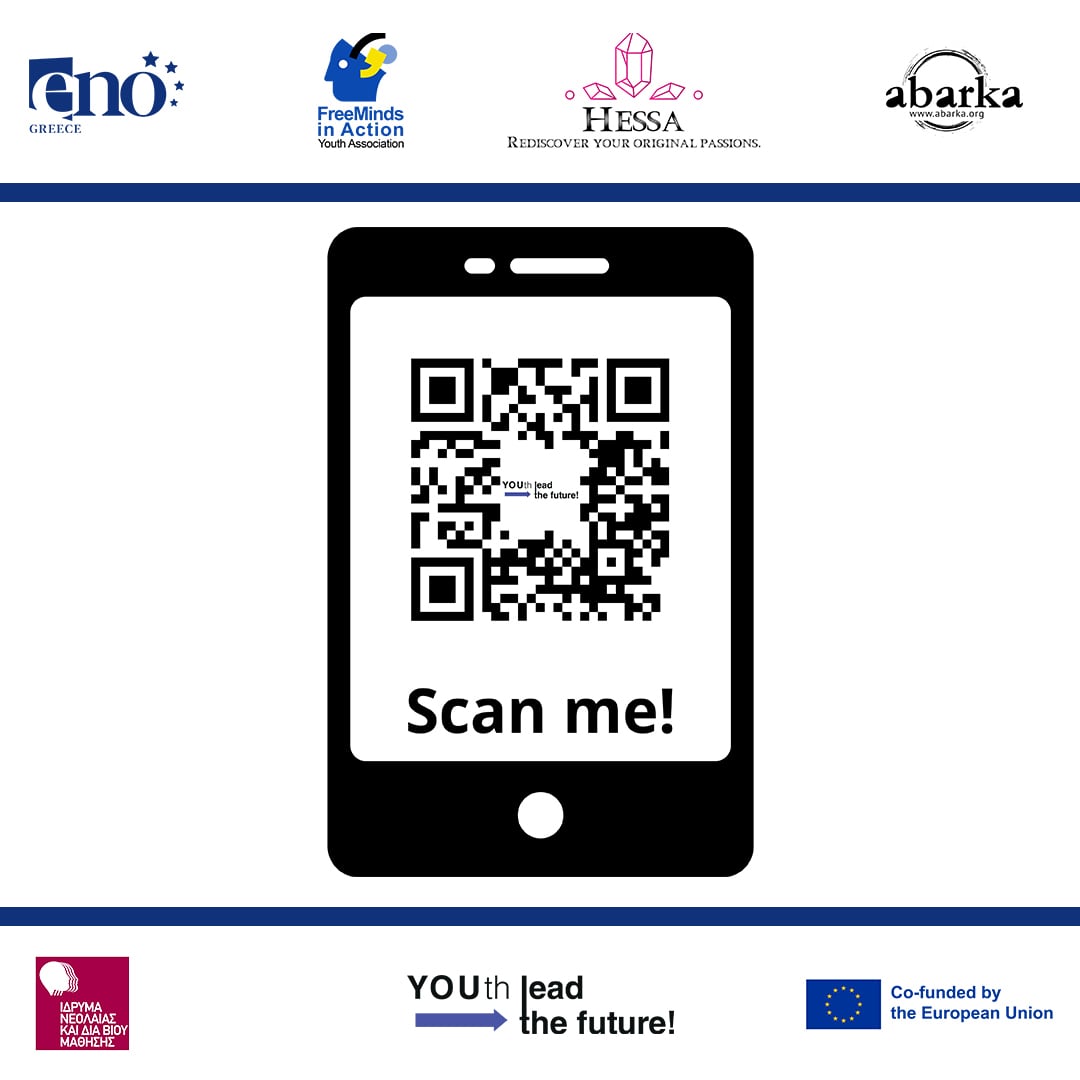
One of the key results of the project is the AGE-TECH Learning Guide — a tool designed for educators, trainers and organisations working with older adults.
It includes:
-Simple explanations of digital concepts
-Practical teaching approaches
-Tools to support elderly learners step by step
-Methods to create inclusive learning environments
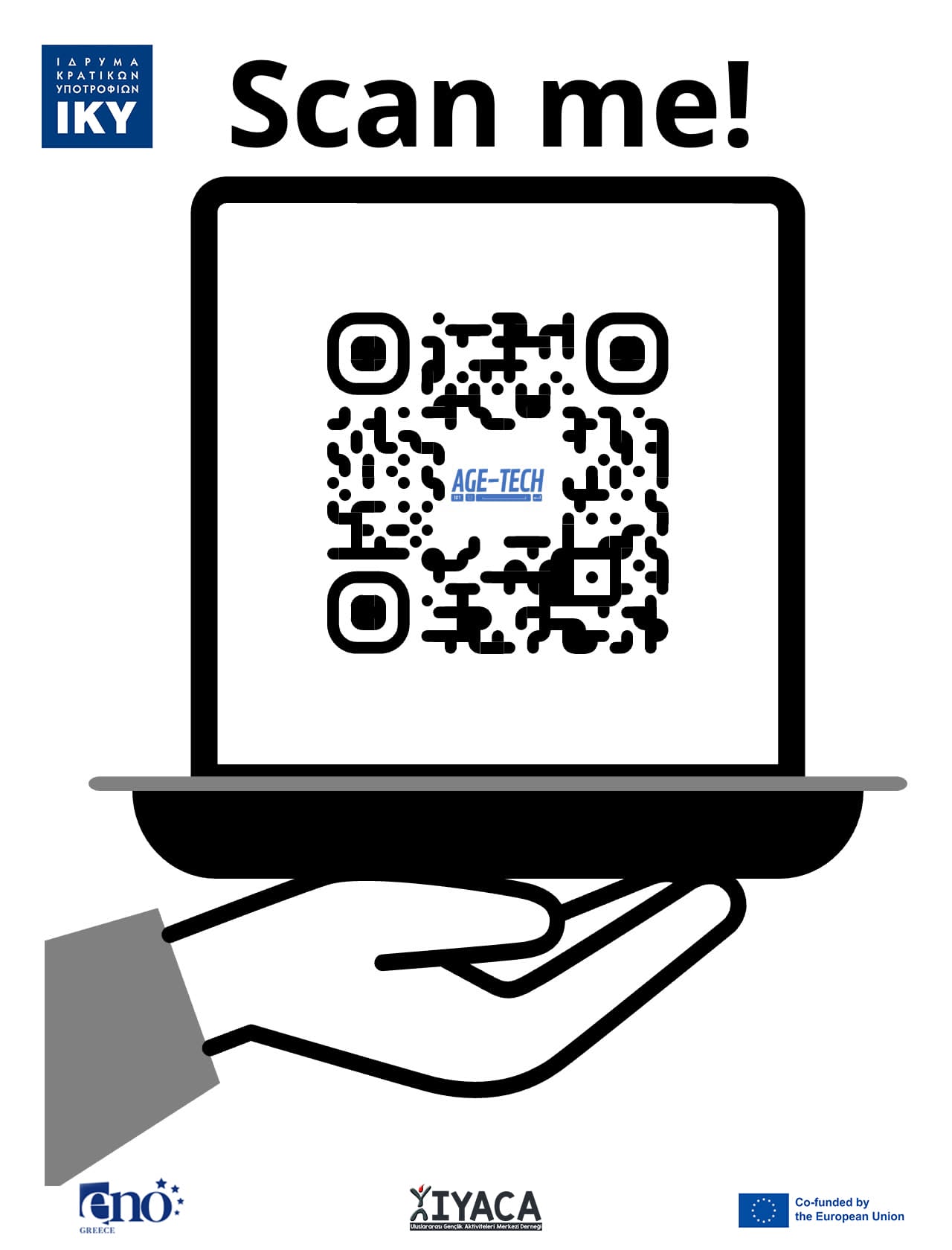
📲 Scan the QR code to explore the guide.
The project has contributed to:
-Enhancing digital skills among elderly participants
-Empowering educators with new tools and approaches
-Strengthening collaboration between organisations and communities
-Promoting active ageing and inclusion
Beyond technical skills, AGE-TECH supported something deeper:
connection, confidence and participation in modern society
The project was implemented through the collaboration between Greece (EN.O Greece) and Türkiye (IYACA) playing a key role in its development and implementation.
The results of AGE-TECH will continue to be used in local communities, educational settings and future initiatives.
Because digital inclusion is not a one-time effort —
it’s a continuous commitment.