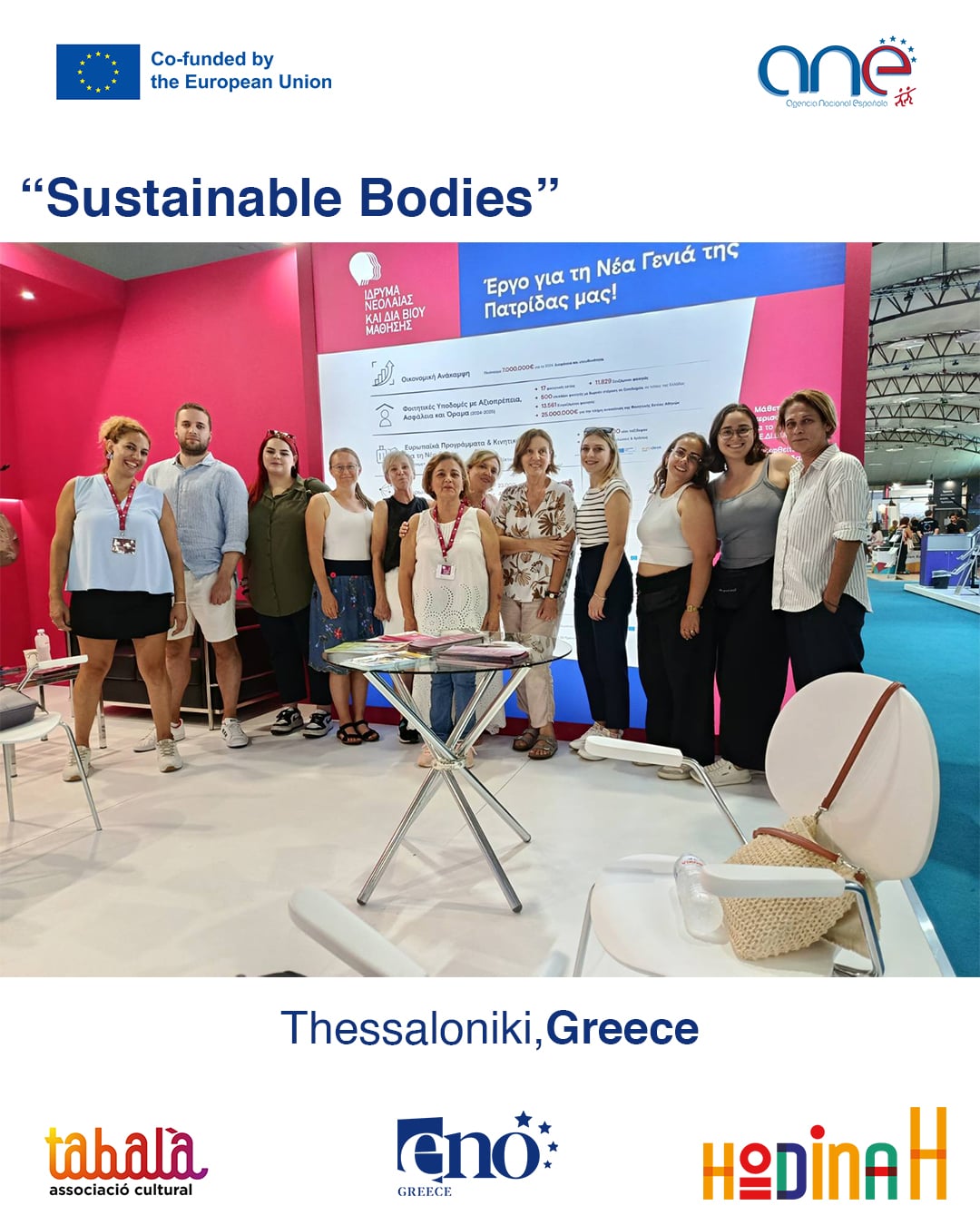
The “Sustainable Bodies” project continues its journey of promoting sustainable, inclusive, and informed approaches to personal and intimate hygiene among young people across Europe.
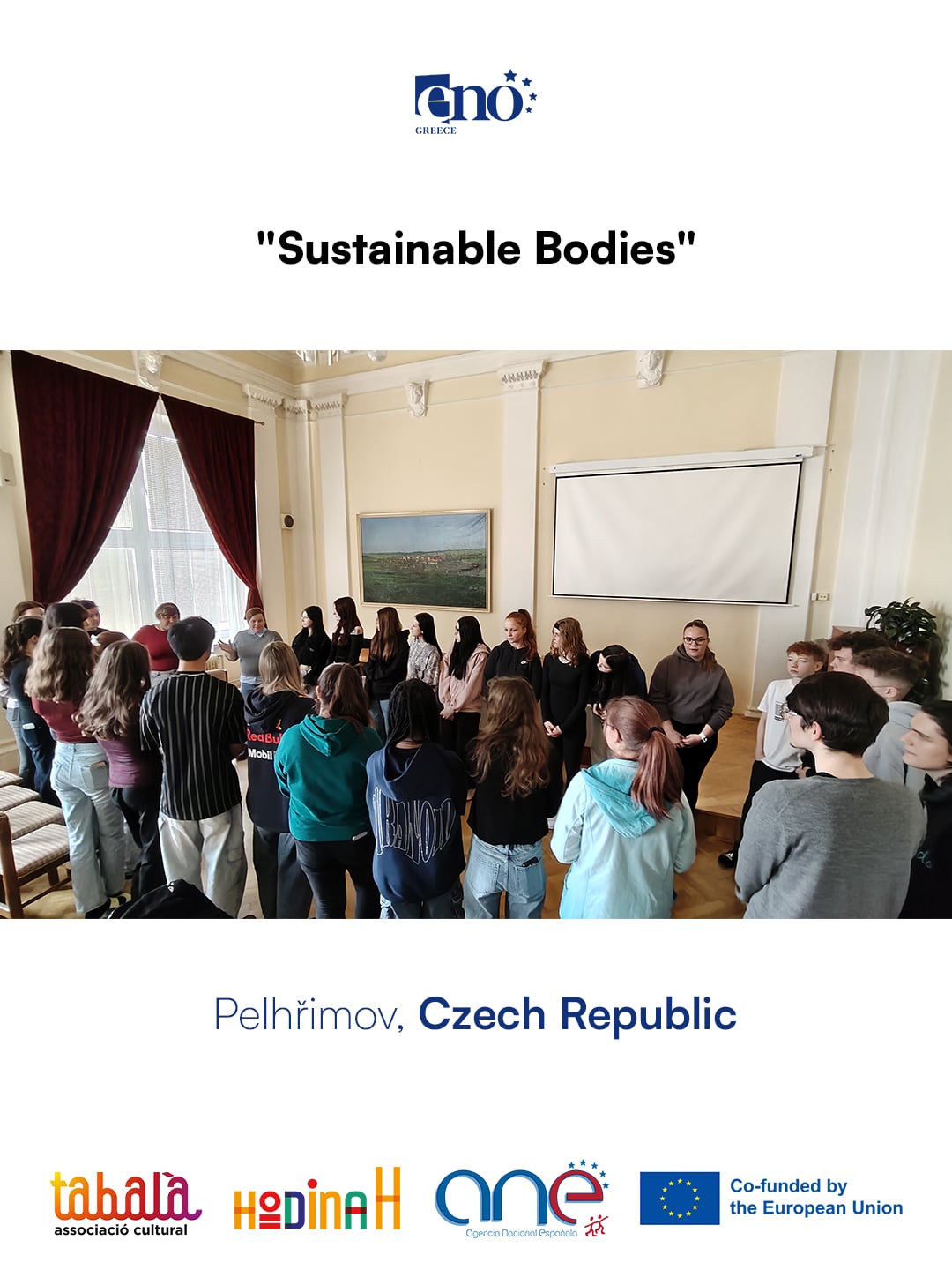
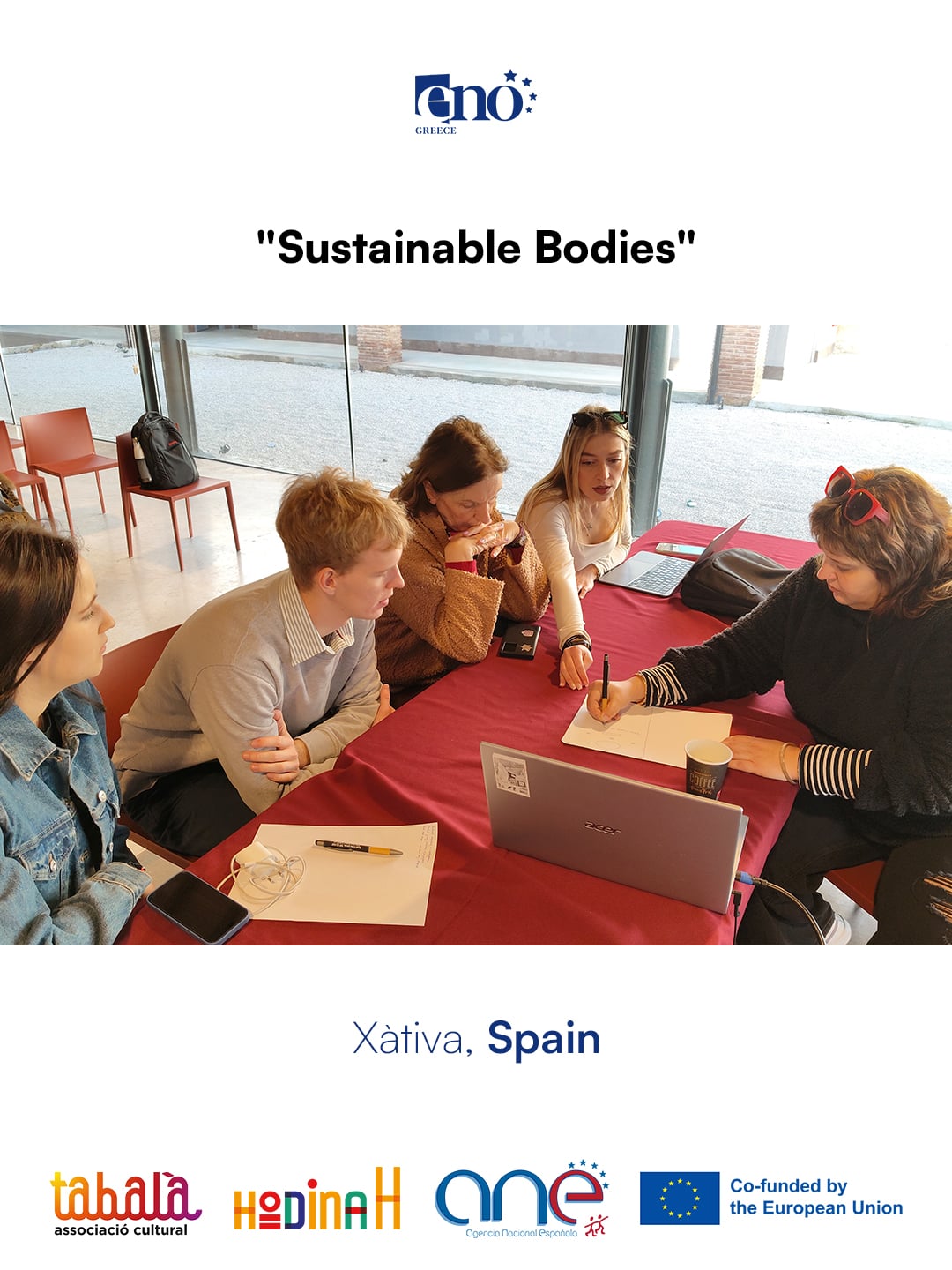
The second transnational meeting of the project took place in Pelhřimov, Czech Republic, on 21–22 February 2025, bringing together partners from Spain, Greece, and the Czech Republic to further develop the project’s activities and strengthen collaboration.
Hosted by the Czech partner organization Hodiha H, the meeting combined experiential learning, stakeholder engagement, and project coordination, offering a comprehensive perspective on the topics addressed by the project.
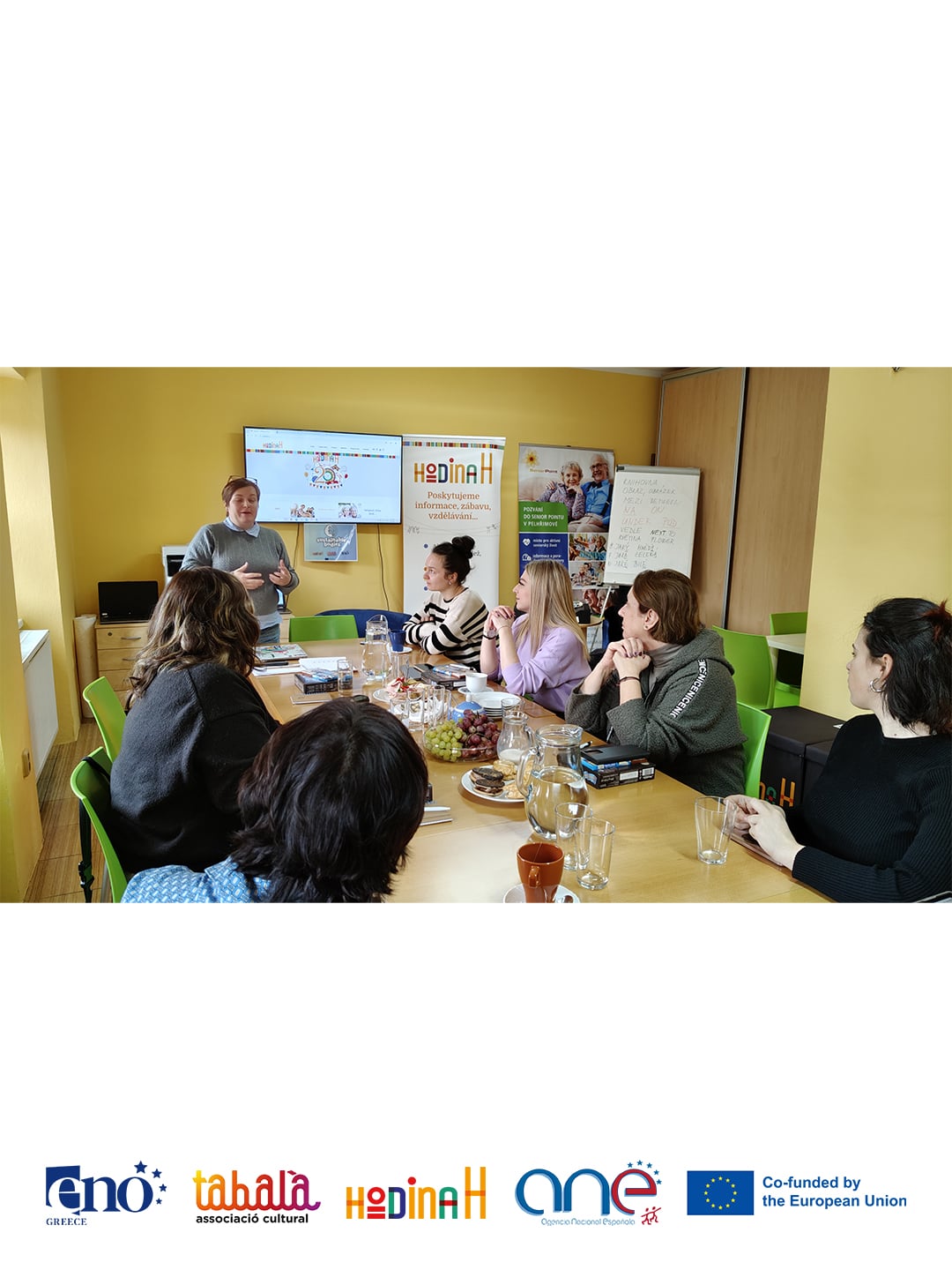
The first day focused on connecting with the local context. Partners met with representatives of a women’s organisation and regional policy actors, engaging in meaningful discussions on issues related to gender, personal hygiene, and social awareness. These exchanges provided valuable insights into local realities and highlighted the importance of inclusive and community-based approaches.
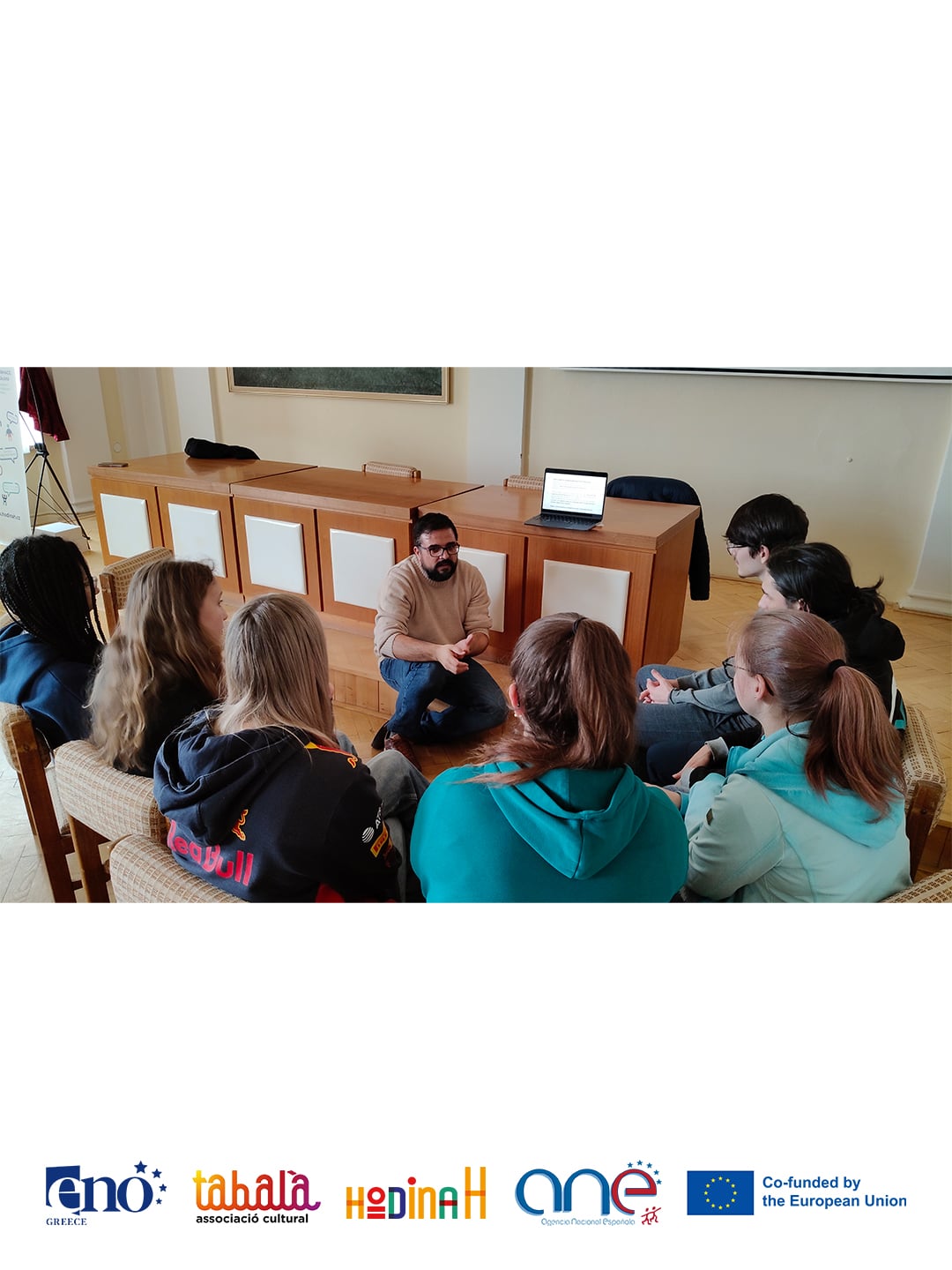
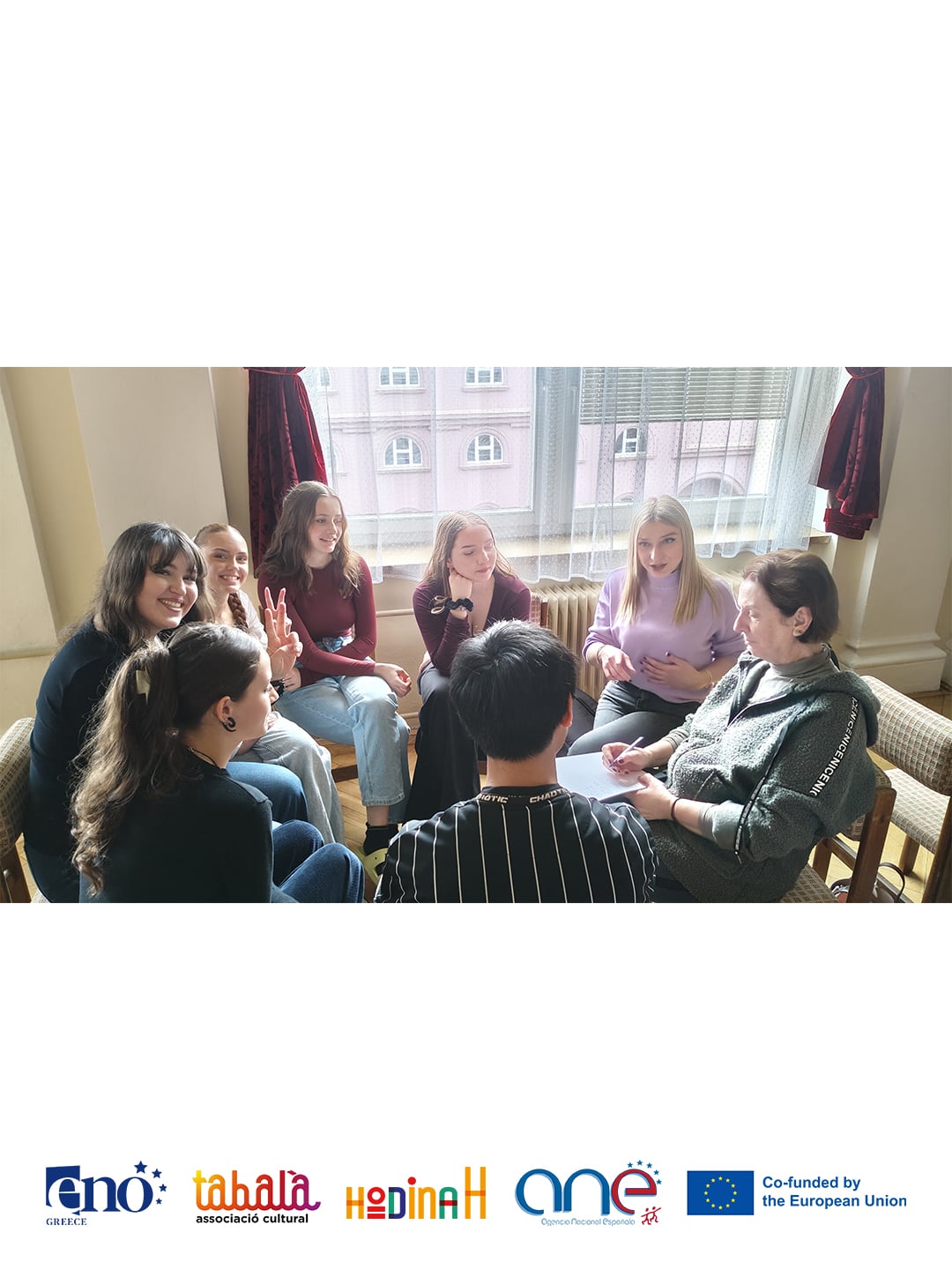
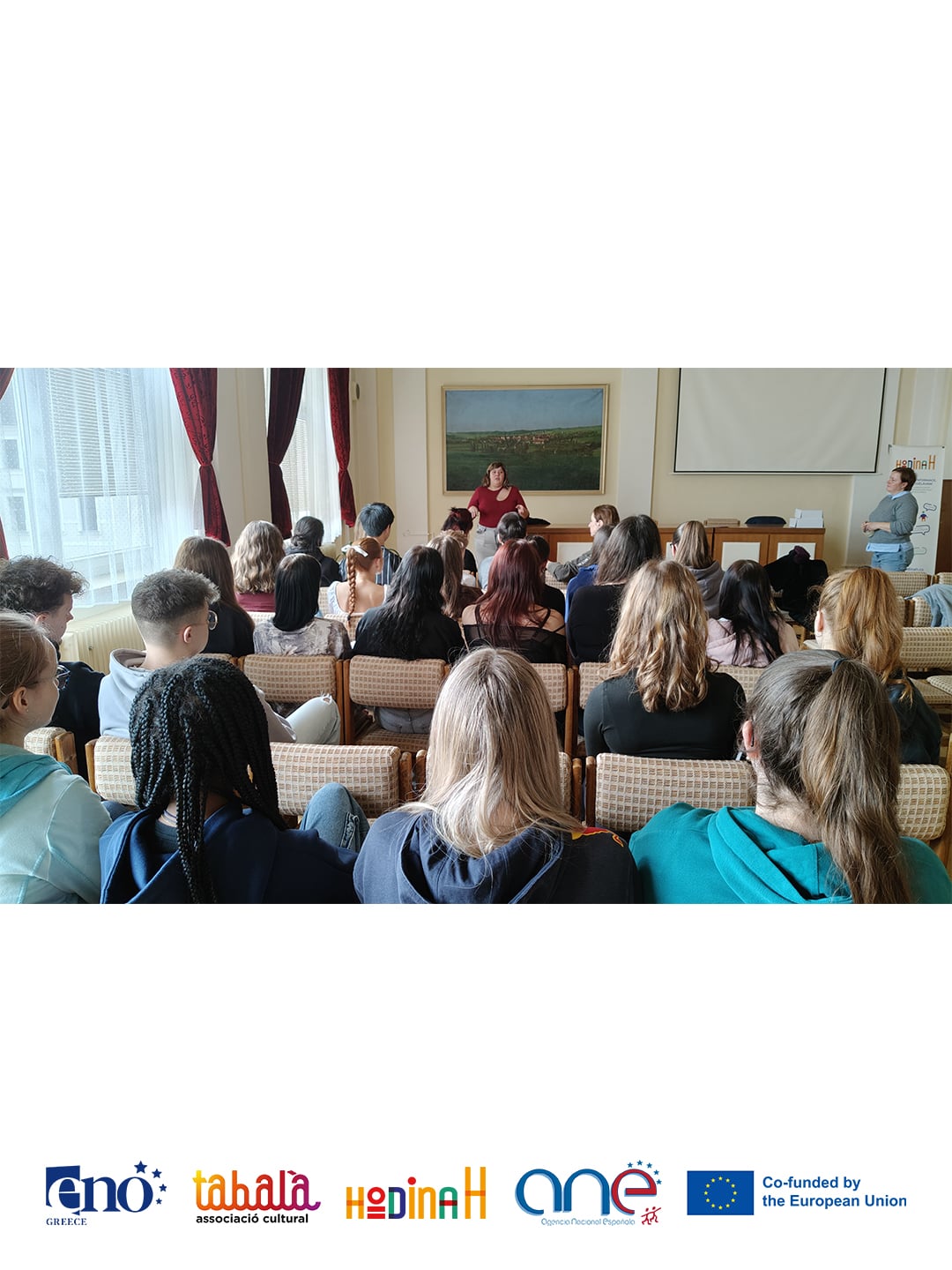
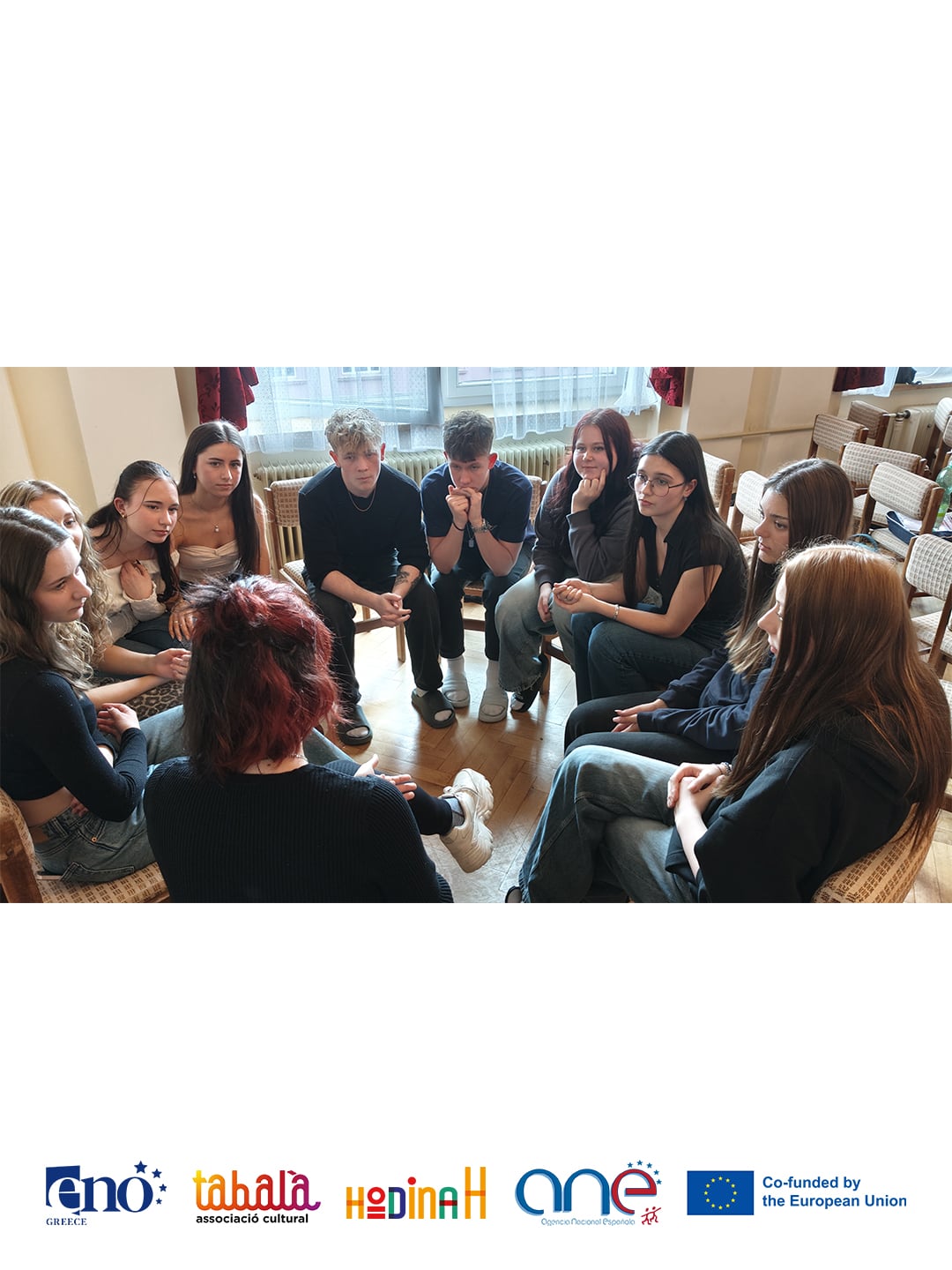
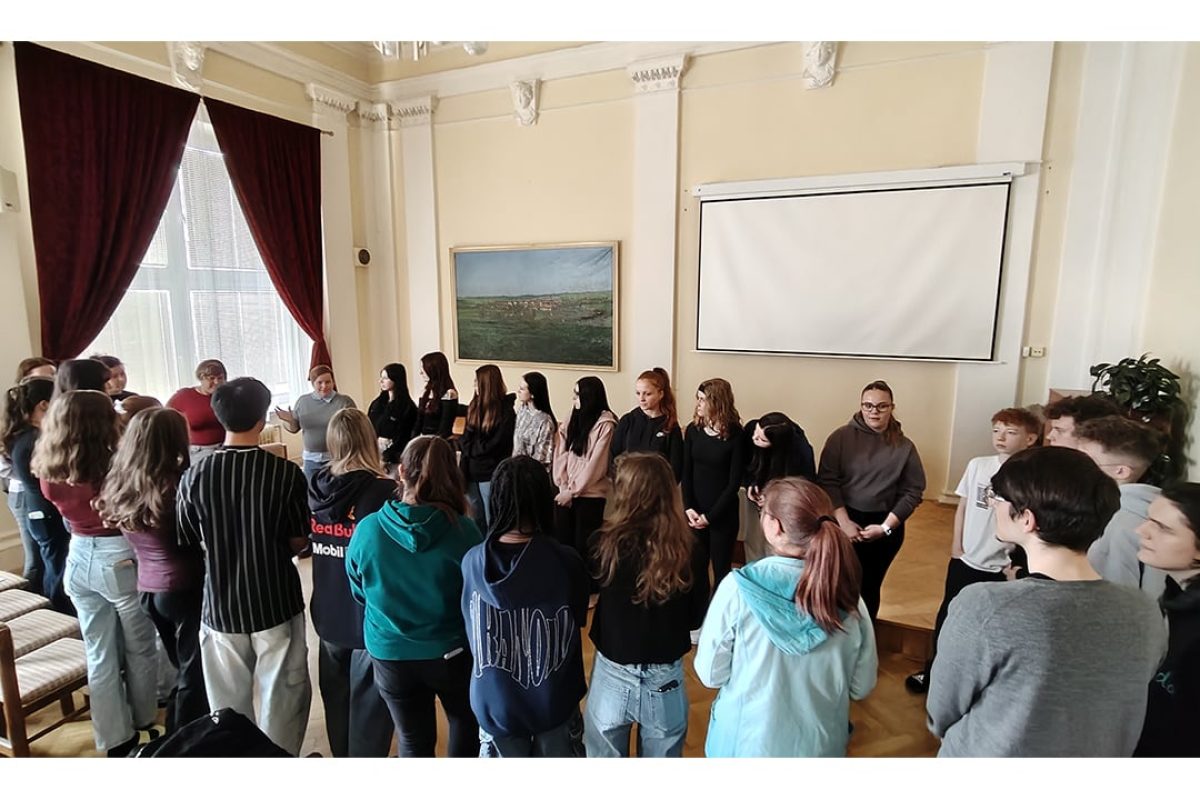
A meeting with young people followed, creating a space for open dialogue around the project’s core themes. Participants shared their experiences, perceptions, and questions, offering partners a deeper understanding of the needs and challenges faced by young people in relation to personal and intimate hygiene.
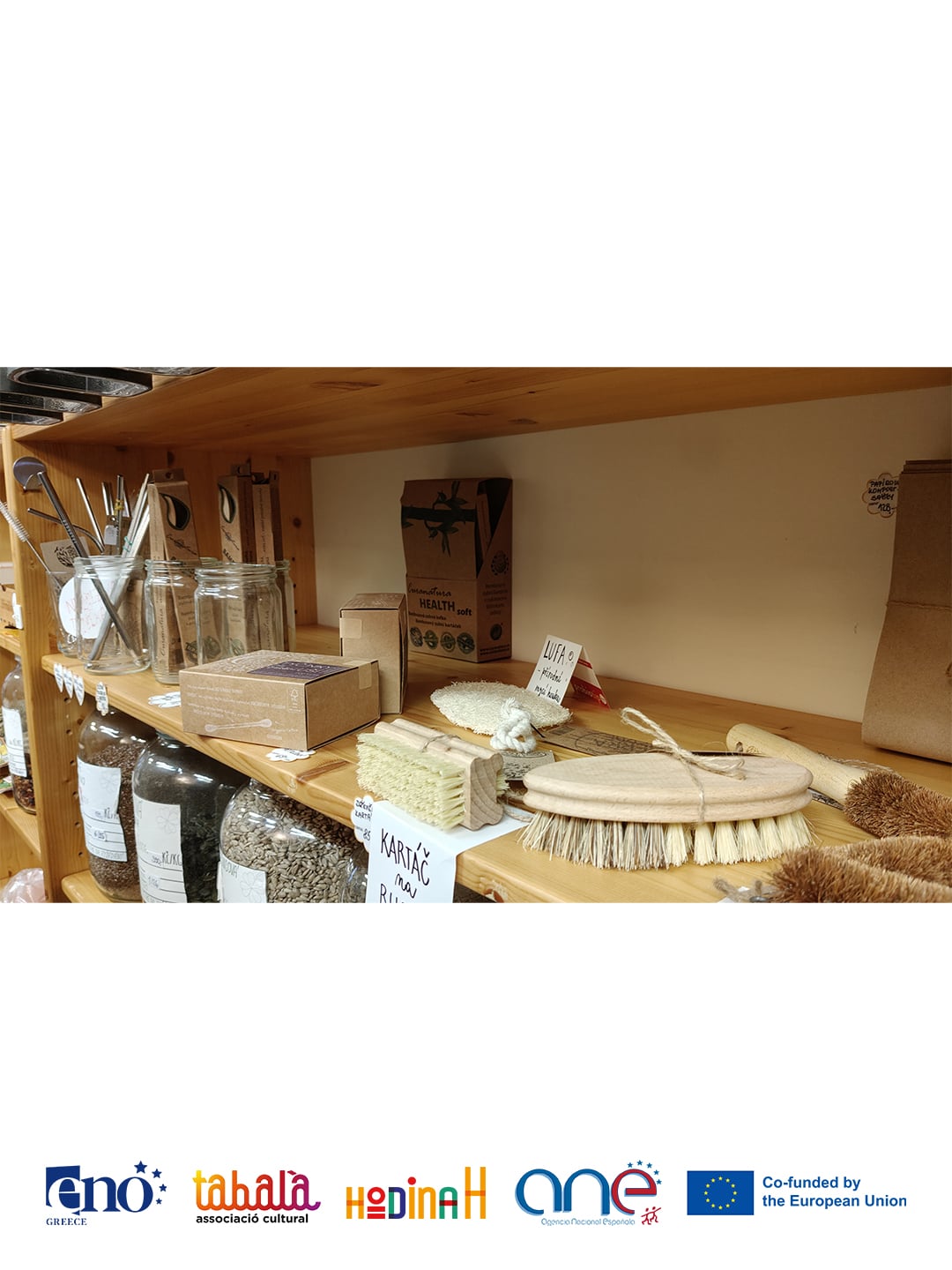
The programme also included visits to local bio shops, where partners explored sustainable and natural products, gaining practical insights into environmentally friendly alternatives and everyday applications of sustainability.
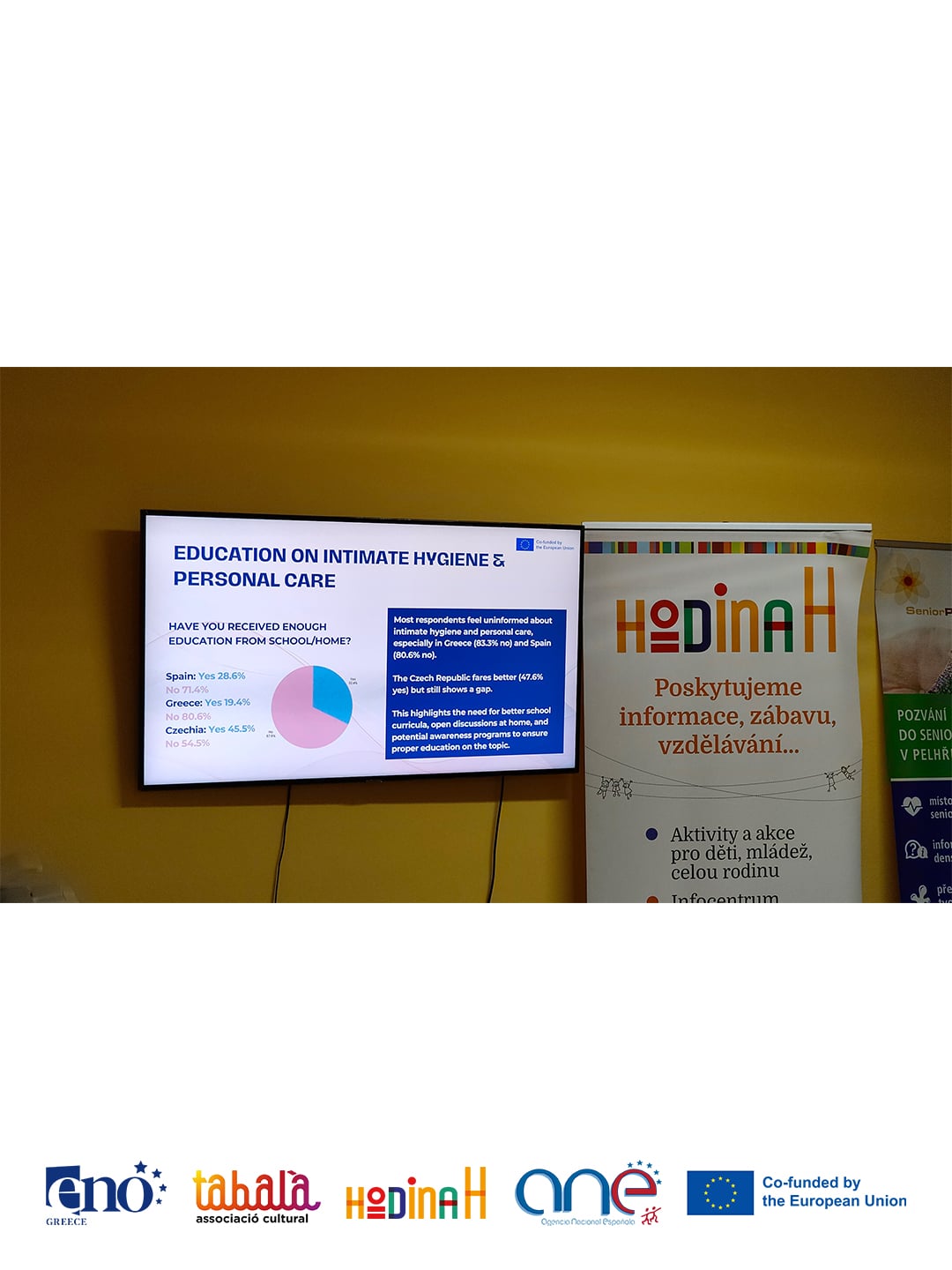
A central element of the meeting was the presentation and analysis of the pre-workshop survey results, which had been collected across all three participating countries. These results played a key role in shaping the next steps of the project, ensuring that future activities are grounded in the real experiences of young people.
The findings revealed important gaps in knowledge and education. A significant number of respondents reported that they had not received sufficient information on personal and intimate hygiene, particularly in Greece and Spain, highlighting the need for improved educational approaches and open discussions on these topics.
At the same time, the survey showed clear differences between countries in terms of habits and practices. For instance, the use of menstrual products varied significantly, reflecting cultural influences and levels of independence among participants. While interest in sustainable alternatives was generally high, barriers such as cost, accessibility, and lack of information were identified as key challenges limiting their adoption.
The results also highlighted that topics related to personal care and hygiene are often still surrounded by taboos and misinformation, reinforcing the importance of creating safe spaces for dialogue and education.
Overall, the data confirmed the strong need for more comprehensive, accessible, and inclusive educational initiatives in this field.
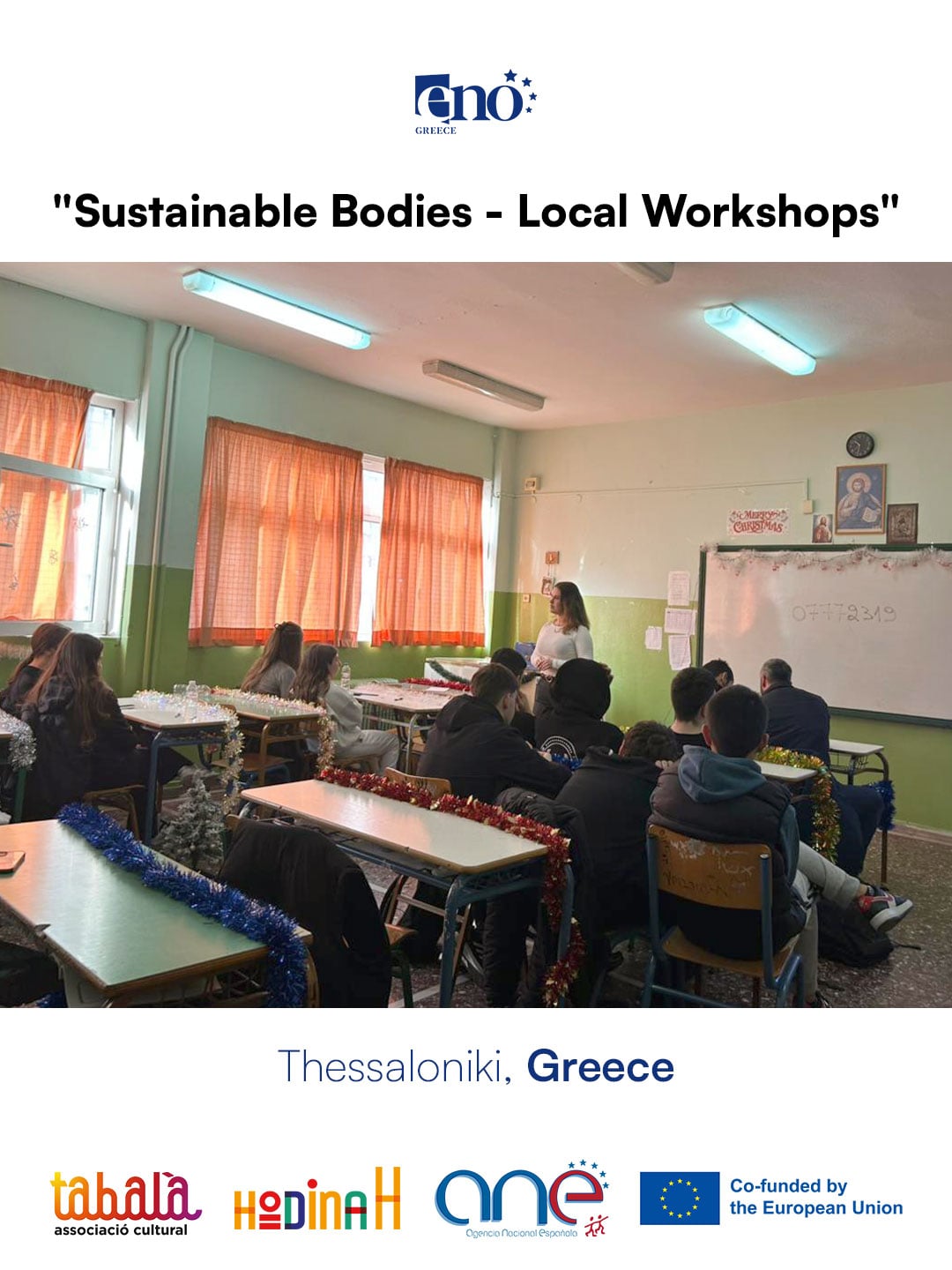
The second day was dedicated to the project management meeting, where partners reviewed progress, coordinated upcoming activities, and discussed the implementation of local workshops based on the insights gained from the survey.
The meeting concluded with a cultural visit, offering an opportunity for informal exchange and strengthening the connection between partners.